

OVERVIEW
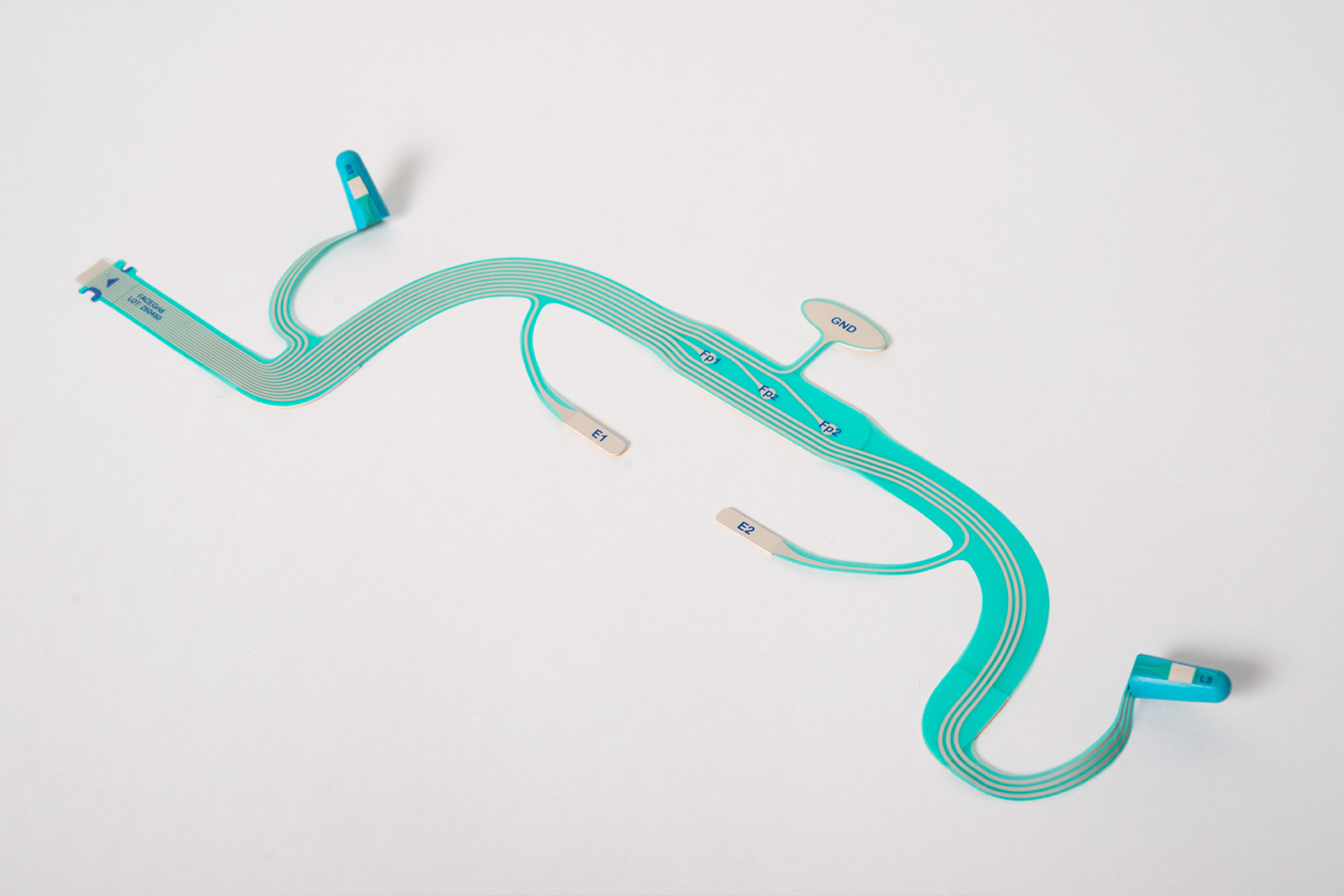
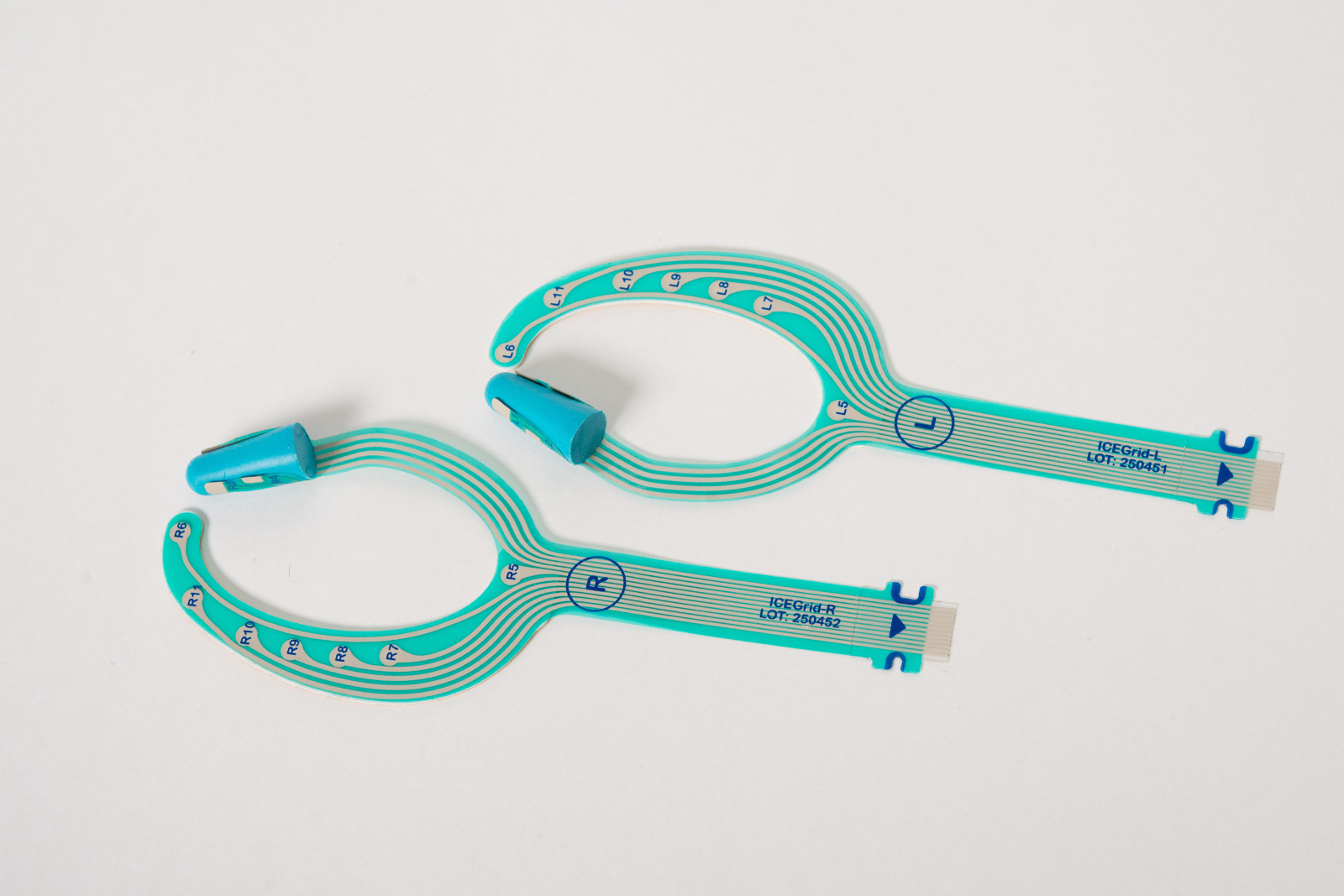
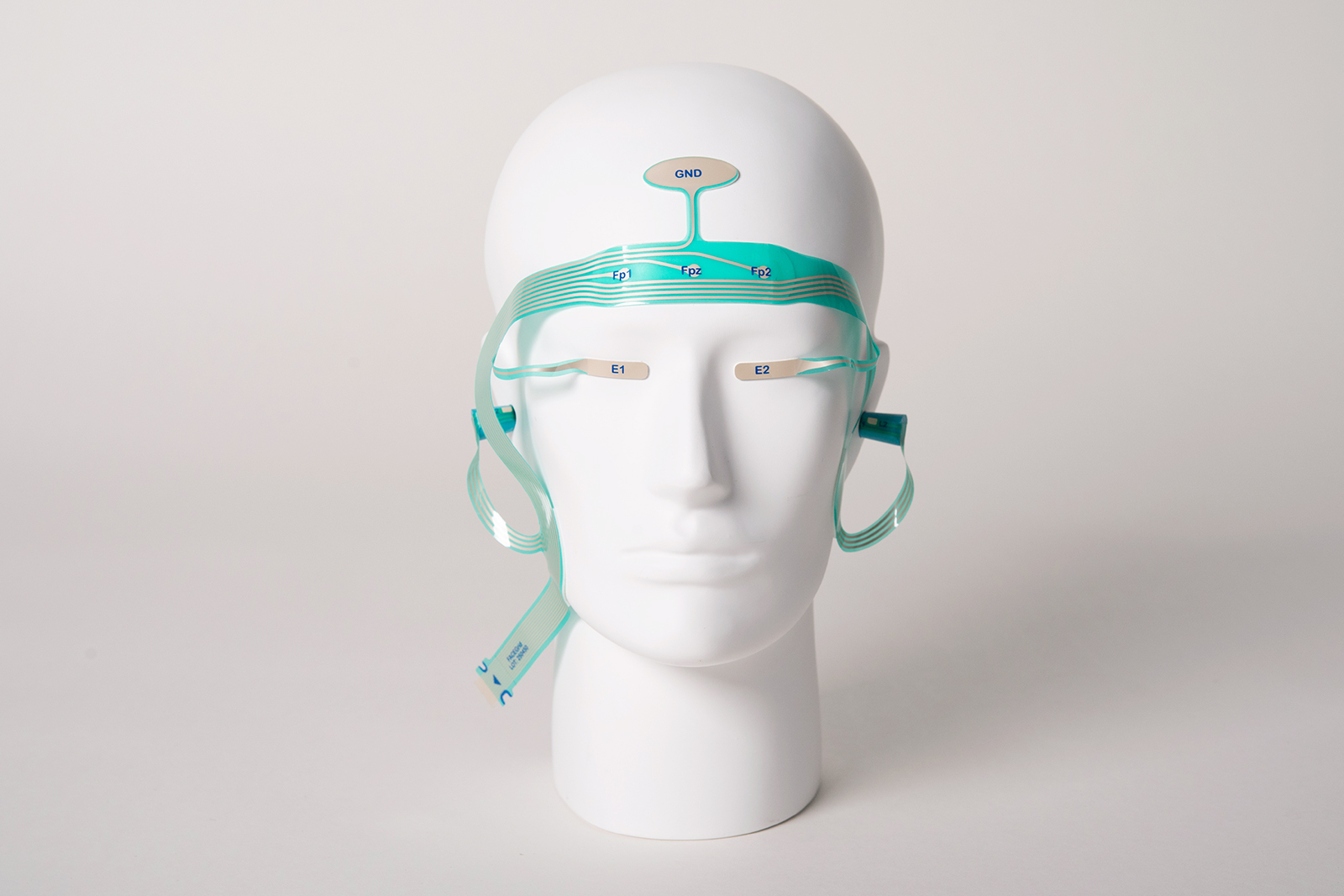
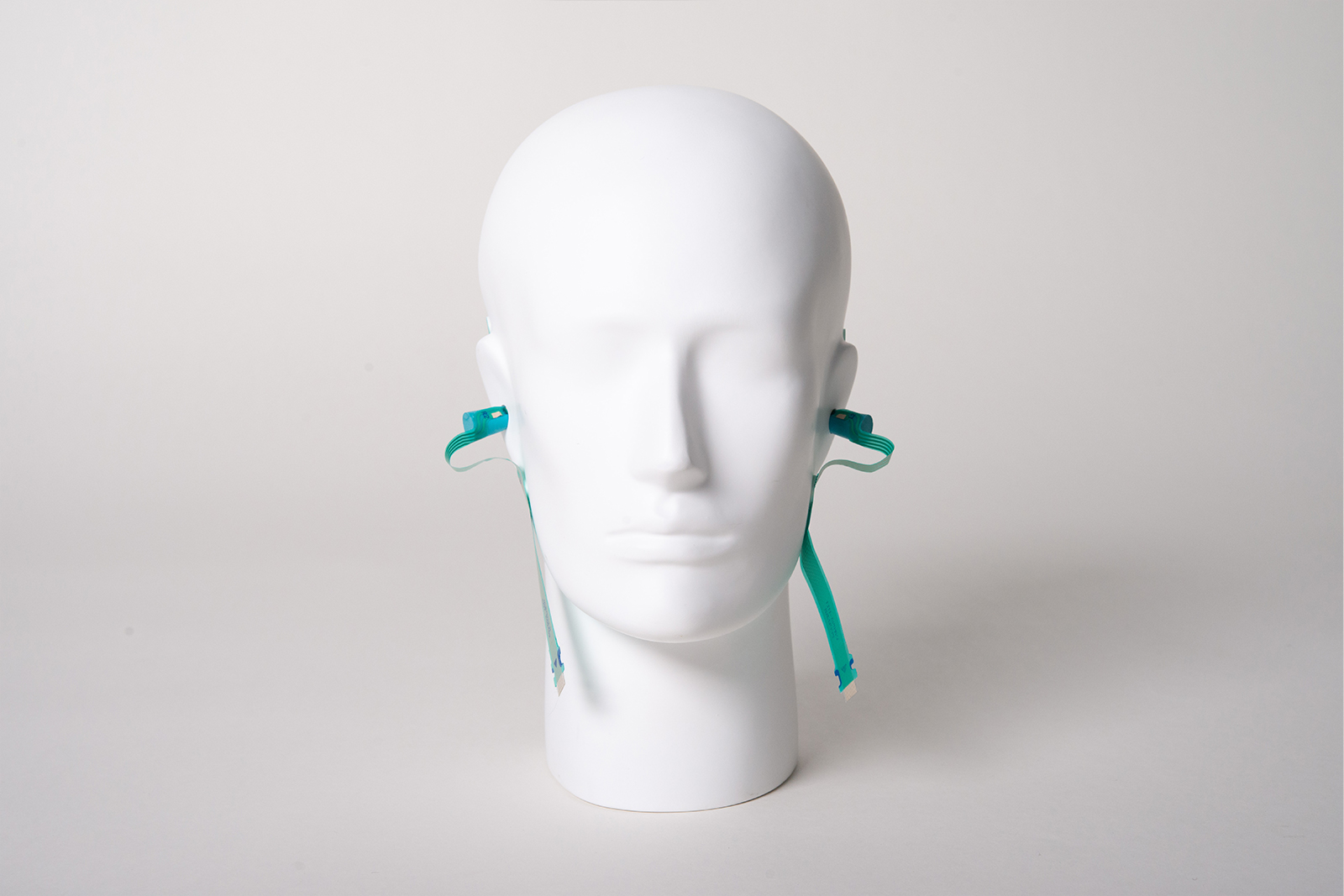
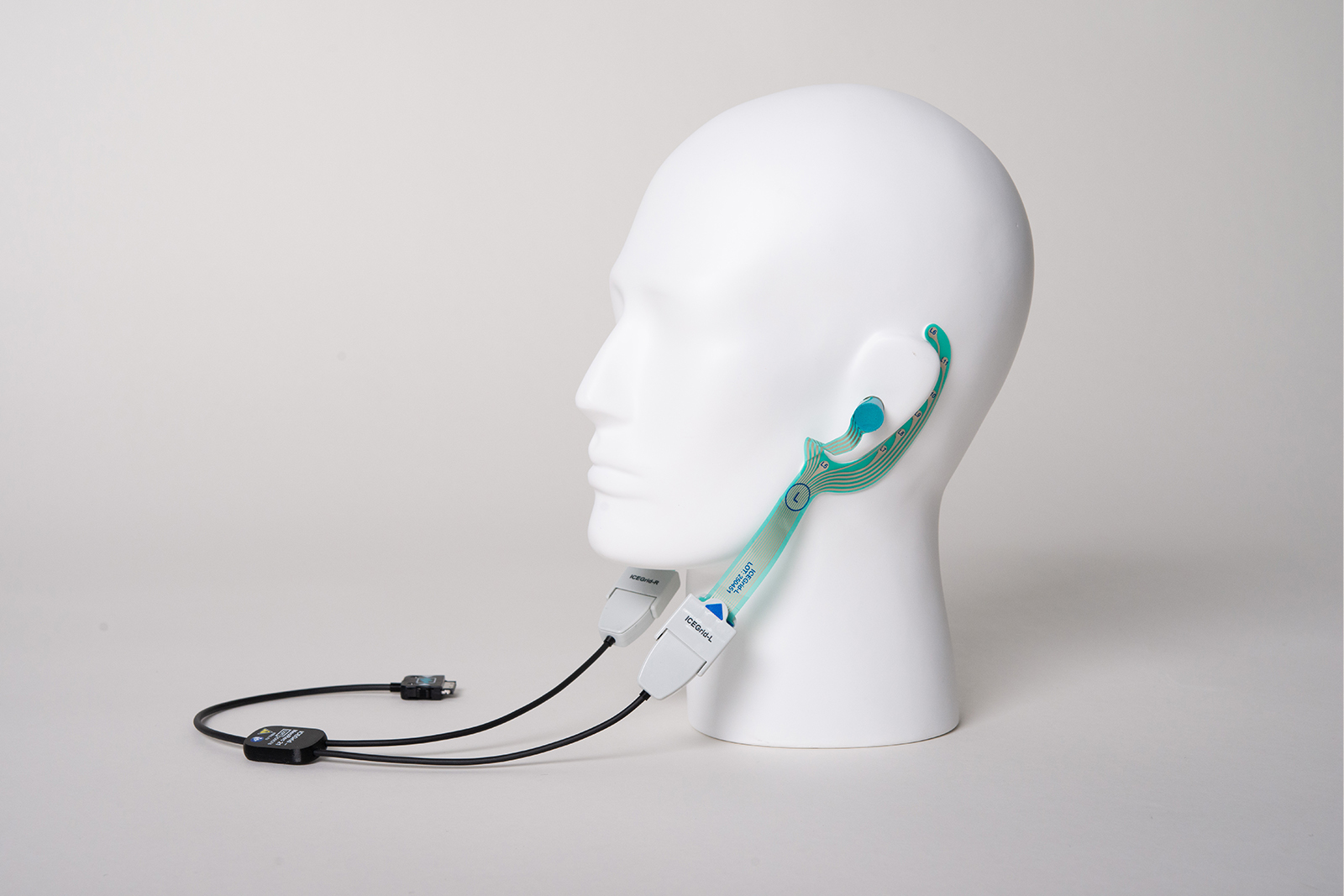
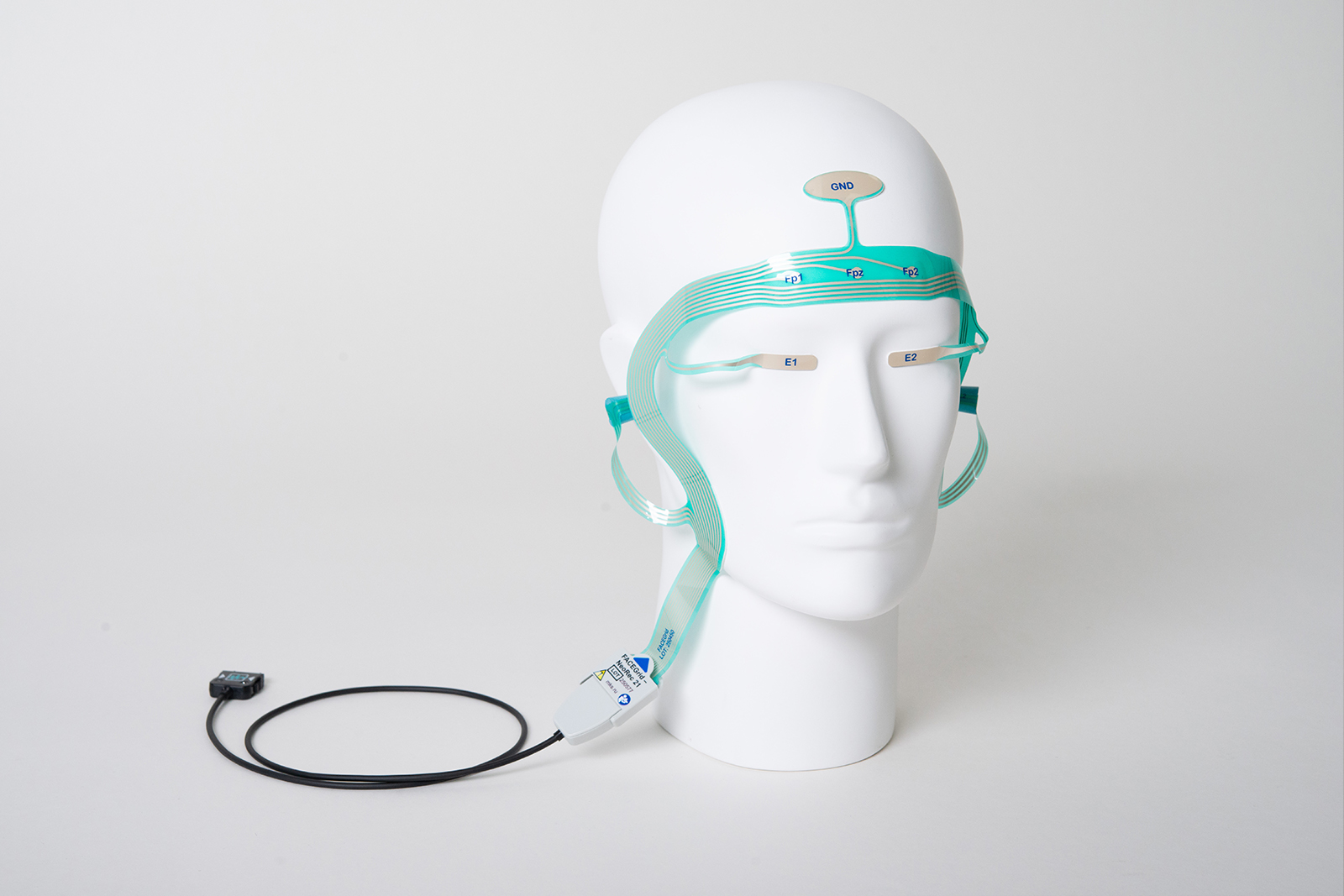
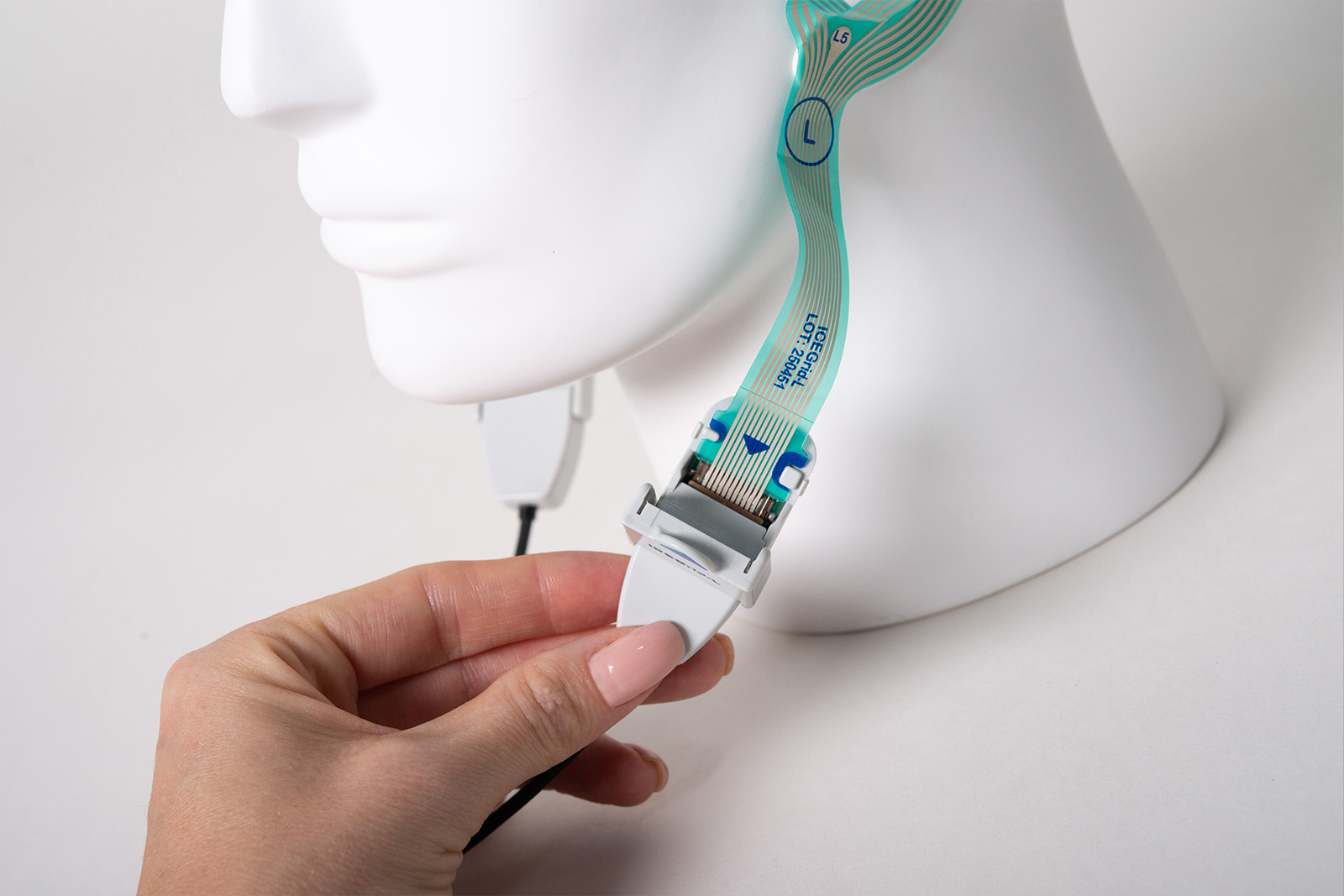
The ICEGrid & FACEGrid are EEG arrays of silver chloride EEG electrodes on a flexible base with an adhesive fastener for attachment to skin. Contact of current-collecting surfaces with skin is ensured by an electrically conductive substance – electrode gel or paste.
For applying gel or paste, special wells are provided, which, on the one hand, prevent the conductive substance from drying out, and on the other, prevent it from spreading and forming contact bridges between leads.
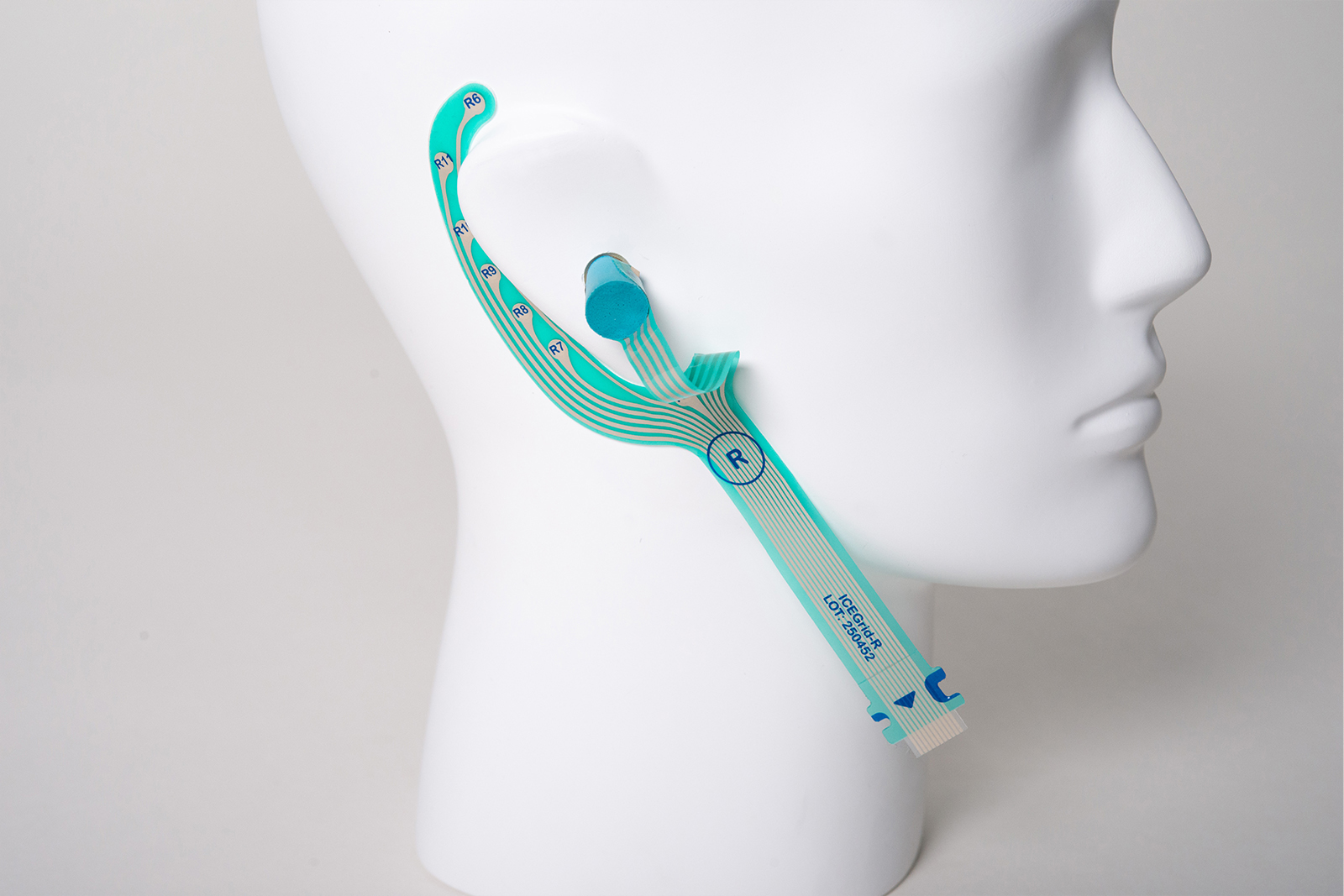
In-canal electrodes are placed on soft ear tips that adapt to the shape of the ear and ensure a tight fit to the surface of the ear canal.
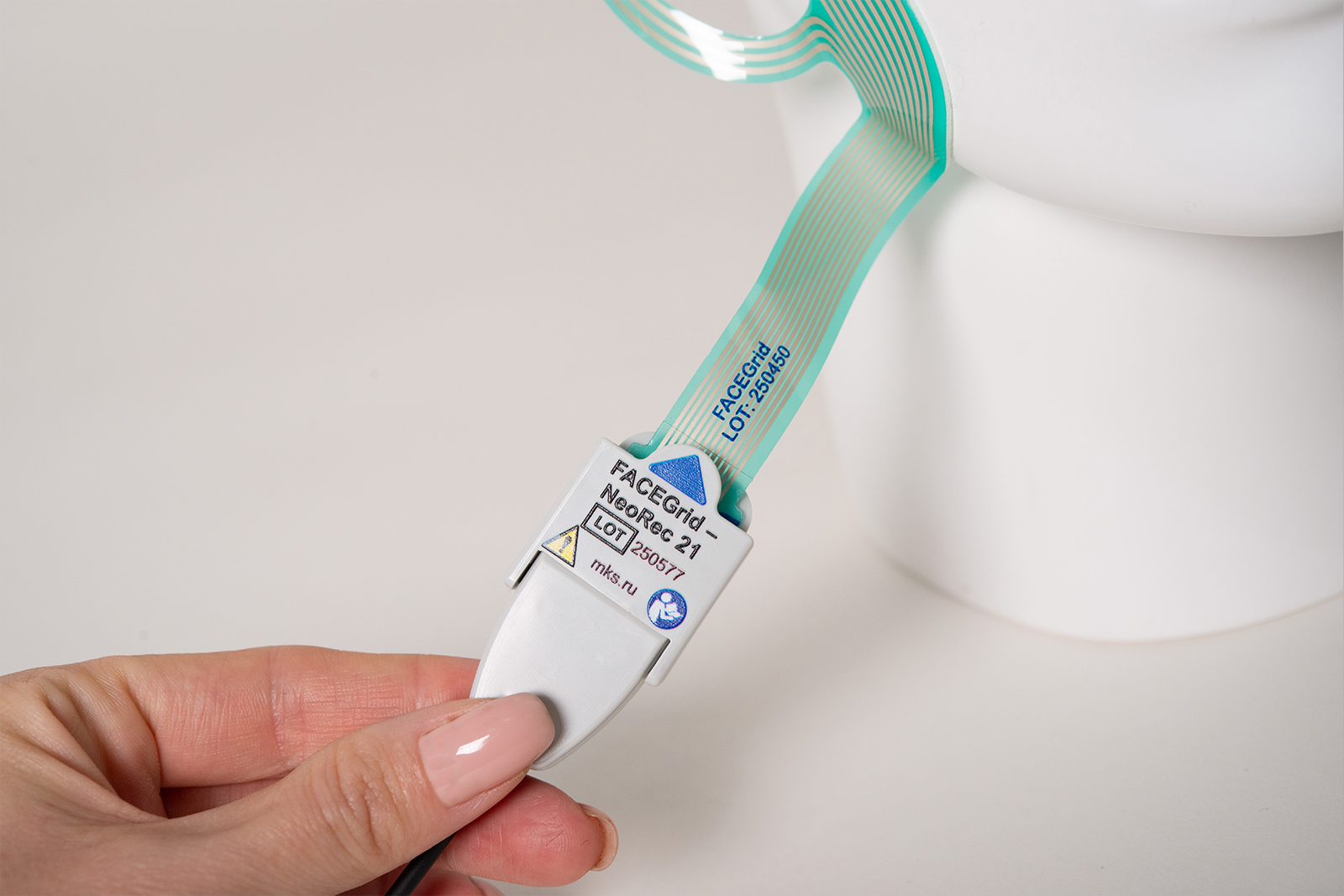
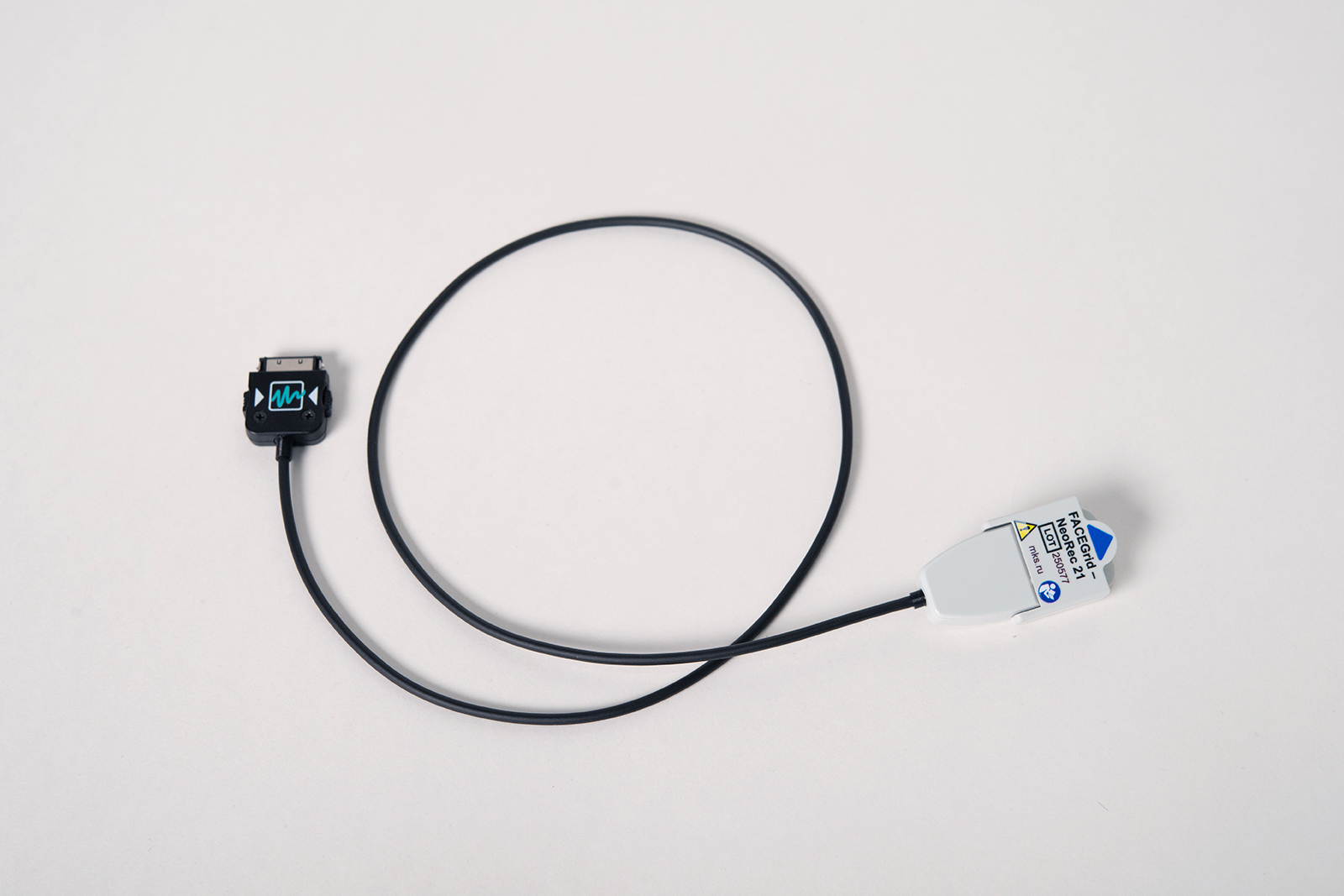
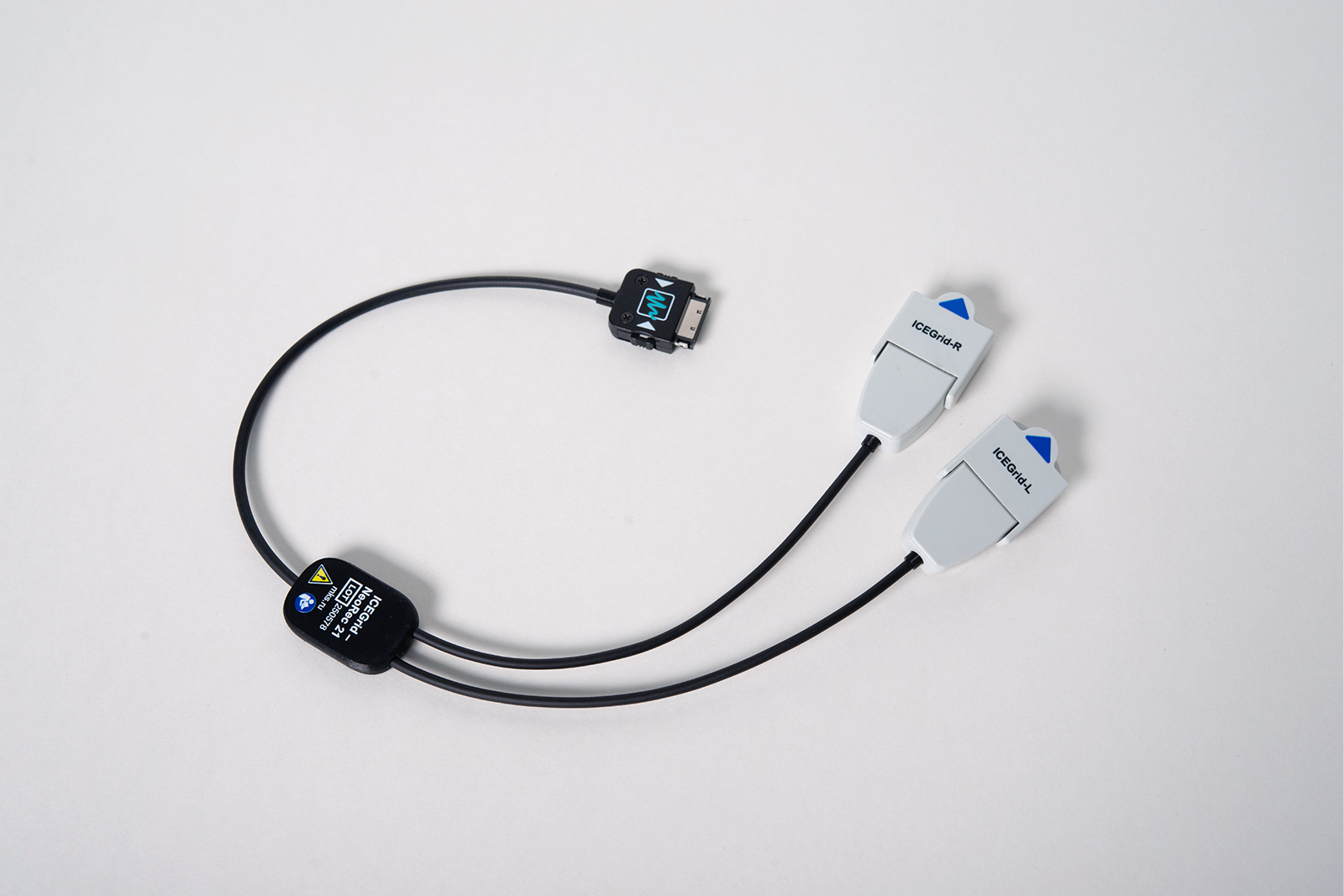
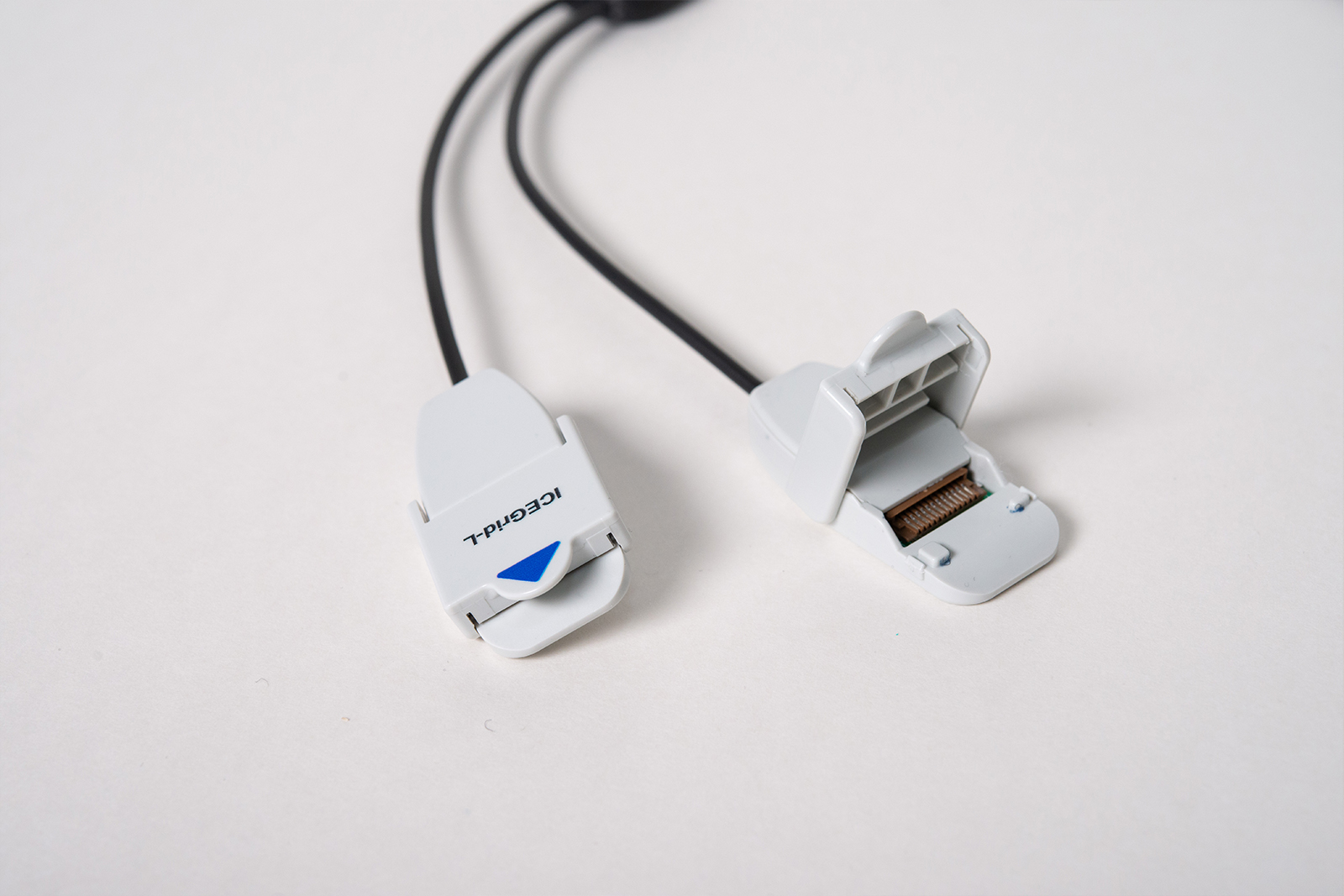
The product connects to an EEG recording device via a reusable lead cable (adapter) compatible with various connector types (depending on the amplifier).
It is recommended to use the ICEGrid & FACEGrid caps in conjunction with the NeoRec 21 mobile EEG amplifier.


FACEGrid combines convenience, speed, and versatility for both clinical
and non‑clinical settings
FACEGrid is suitable for long‑term EEG monitoring11, epilepsy care1, postoperative eye muscle recovery12. FACEGrid supports home‑based applications such as migraine screening4, sleep tracking13, and depression management. In emergency medical care, FACEGrid can serve as an additional tool for detecting epileptiform discharges in patients with impaired consciousness10.


A convenient and accessible alternative to gold‑standard clinical practices
ICEGrid ear‑worn EEG arrays are designed for long‑term, comfortable monitoring of electroencephalographic (EEG) brain activity primarily in the temporal lobe1. They are recommended as an adjunctive tool for diagnosis and monitoring of epilepsy, including the detection of focal seizures and interictal epileptiform discharges (spikes) during prolonged (up to 24/7) EEG monitoring14.


SPECIFICATION
| Sterility | non sterile |
| Channels | 12 (GND include) |
| Set up time | < 1 min |
| Time of continuous contact* | > 24 hours |
| The impedance of the electrode | ≤ 100 Ω |
| Offset voltage | 100 mV (max) |
| Offset instability | < 250 µV |
| Internal noise | < 15 µV |
| Dimensions (LxWxH) | 412 × 150 mm |
| Net weight | 2 g |
| Expiration date | 3 years |
PHOTO
LIST OF REFERENCES
1. Zibrandtsen IC, Kidmose P, Christensen CB, Kjaer TW. Ear-EEG detects ictal and interictal abnormalities in focal and generalized epilepsy - A comparison with scalp EEG monitoring. Clin Neurophysiol. 2017 Dec;128(12):2454-2461. doi: 10.1016/j.clinph.2017.09.115.
2. Cao Zehong, Chin-Teng Lin, Weiping Ding, Mu-Hong Chen, Cheng-Ta Li, Tung-Ping Su. Identifying Ketamine Responses in Treatment-Resistant Depression Using a Wearable Forehead EEG. IEEE Trans Biomed Eng. 2019 Jun;66(6):1668-1679. doi: 10.1109/TBME.2018.2877651.
3. Li Z, Wang P, Han L, Hao X, Mi W, Tong L, Liang Z. Age-dependent coupling characteristics of bilateral frontal EEG during desflurane anesthesia. Physiol Meas. 2024 May 21;45(5). doi: 10.1088/1361-6579/ad46e0.
4. Cao Z, Lai KL, Lin CT, Chuang CH, Chou CC, Wang SJ. Exploring resting-state EEG complexity before migraine attacks. Cephalalgia. 2018 Jun;38(7):1296-1306. doi: 10.1177/0333102417733953.
5. Boere K, Parsons E, Binsted G, Krigolson OE. How low can you go? Measuring human event-related brain potentials from a two-channel EEG system. Int J Psychophysiol. 2023 May;187:20-26. doi: 10.1016/j.ijpsycho.2023.02.005.
6. Barton DJ, Coppler PJ, Talia NN, Charalambides A, Stancil B, Puccio AM, Okonkwo DO, Callaway CW, Guyette FX, Elmer J. Prehospital Electroencephalography to Detect Traumatic Brain Injury during Helicopter Transport: A Pilot Observational Cohort Study. Prehosp Emerg Care. 2024;28(2):405-412. doi: 10.1080/10903127.2023.2185333.
7. Zhang R, Zheng X, Zhang L, Xu Y, Lin X, Wang X, Wu C, Jiang F, Wang J. LANMAO sleep recorder versus polysomnography in neonatal EEG recording and sleep analysis. J Neurosci Methods. 2024 Oct;410:110222. doi: 10.1016/j.jneumeth.2024.110222.g
7. Yang R, Zhang L, Yang R, Hou L, Zhu D, Zhong B. Multiple entropy fusion predicts driver fatigue using forehead EEG. Front Neurosci. 2025 Jun 13;19:1567146. doi: 10.3389/fnins.2025.1567146.
8. Meiser A, Tadel F, Debener S, Bleichner MG. The Sensitivity of Ear-EEG: Evaluating the Source-Sensor Relationship Using Forward Modeling. Brain Topogr. 2020 Nov;33(6):665-676. doi: 10.1007/s10548-020-00793-2.
10. You KM, Suh GJ, Kwon WY, Kim KS, Ko SB, Park MJ, Kim T, Ko JI. Epileptiform discharge detection with the 4-channel frontal electroencephalography during post-resuscitation care. Resuscitation. 2017 Aug;117:8-13. doi: 10.1016/j.resuscitation.2017.05.016.
11. Tabar YR, Mikkelsen KB, Shenton N, Kappel SL, Bertelsen AR, Nikbakht R, Toft HO, Henriksen CH, Hemmsen MC, Rank ML, Otto M, Kidmose P. At-home sleep monitoring using generic ear-EEG. Front Neurosci. 2023 Feb 1;17:987578. doi: 10.3389/fnins.2023.987578.
12. Krajewska-Węglewicz L, Banach M, Filipiak E, Sempińska-Szewczyk J, Skopiński P, Dorobek M. The Feasibility of Surface Electromyography in Monitoring Orbicularis Oculi Recovery after Anterior Approach Levator Aponeurosis Advancement. J Clin Med. 2022 Jan 29;11(3):731. doi: 10.3390/jcm11030731.
13. De Fazio R, Yalçınkaya ŞE, Cascella I, Del-Valle-Soto C, De Vittorio M, Visconti P. Forehead and In-Ear EEG Acquisition and Processing: Biomarker Analysis and Memory-Efficient Deep Learning Algorithm for Sleep Staging with Optimized Feature Dimensionality. Sensors (Basel). 2025 Oct 1;25(19):6021. doi: 10.3390/s25196021.
14. Joyner M, Hsu SH, Martin S, Dwyer J, Chen DF, Sameni R, Waters SH, Borodin K, Clifford GD, Levey AI, Hixson J, Winkel D, Berent J. Using a standalone ear-EEG device for focal-onset seizure detection. Bioelectron Med. 2024 Feb 7;10(1):4. doi: 10.1186/s42234-023-00135-0.