OVERVIEW
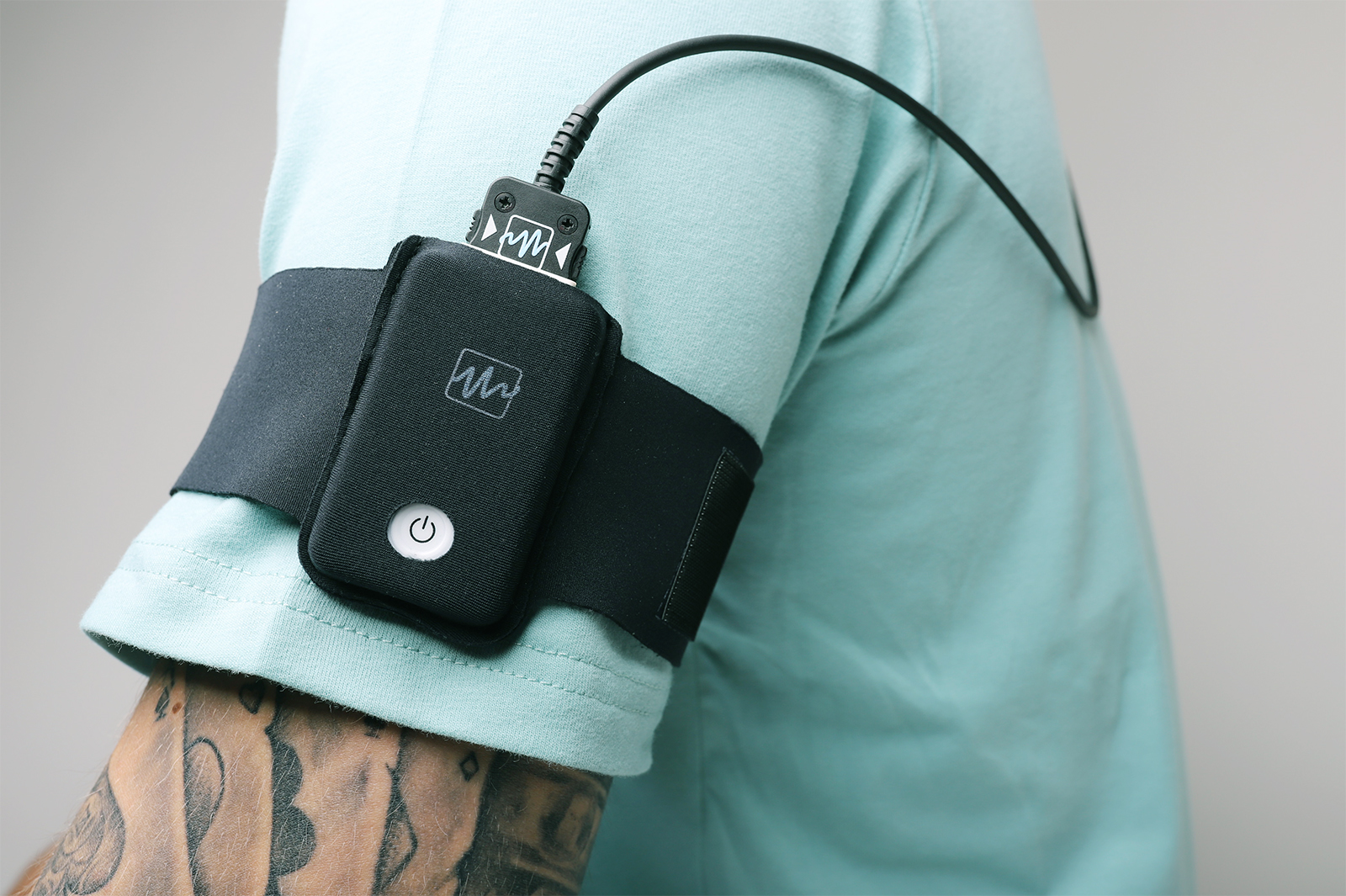
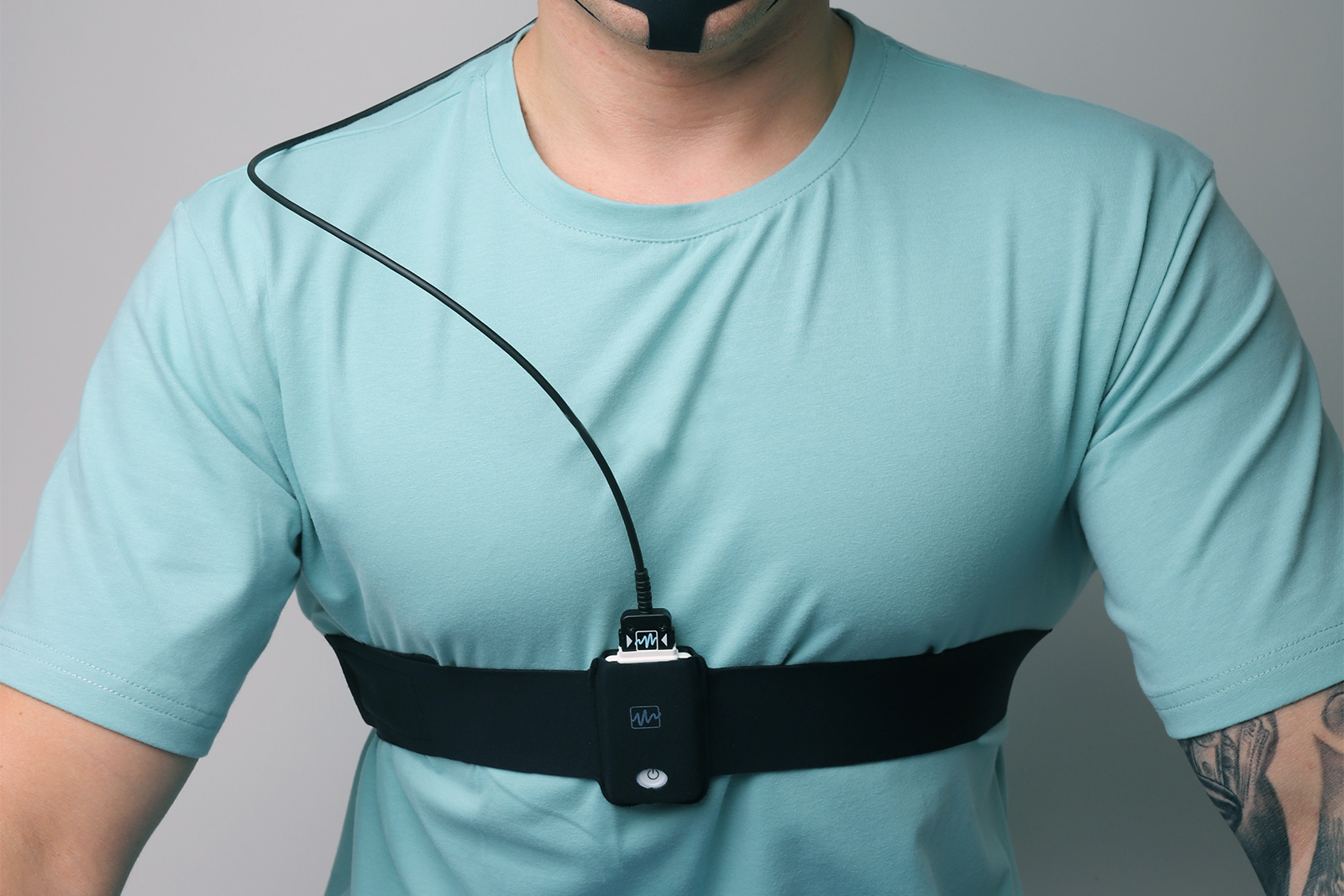
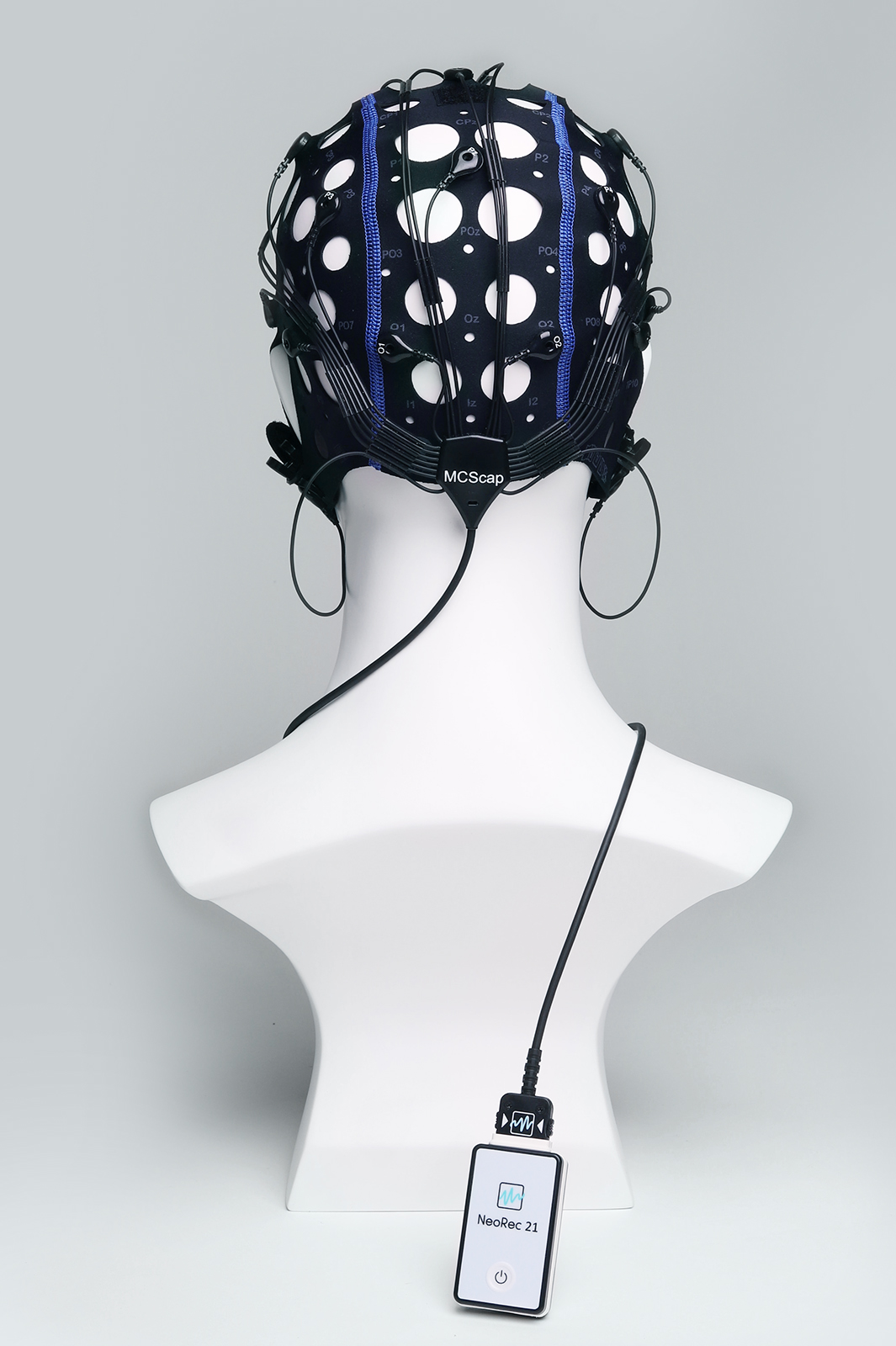
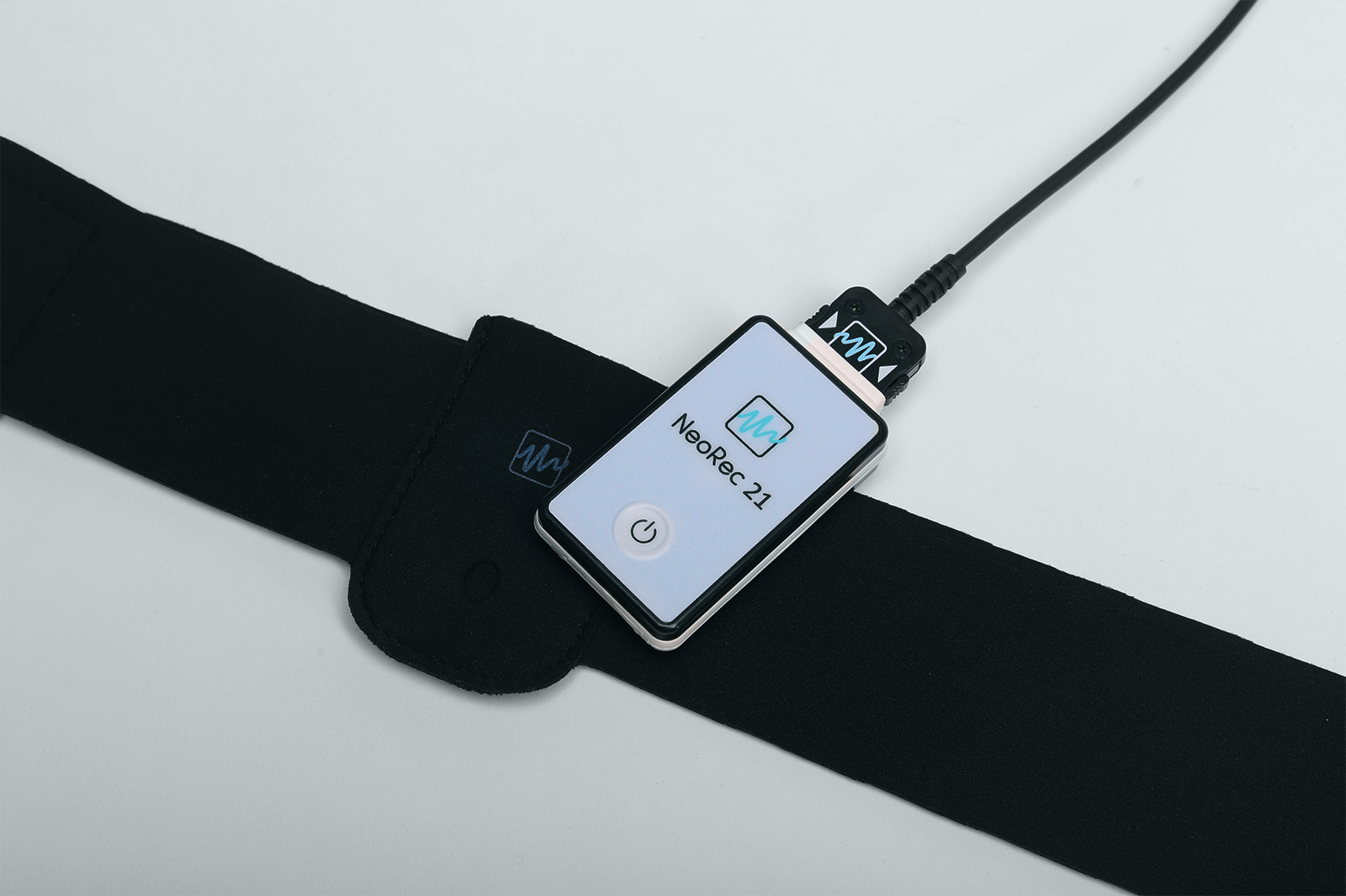
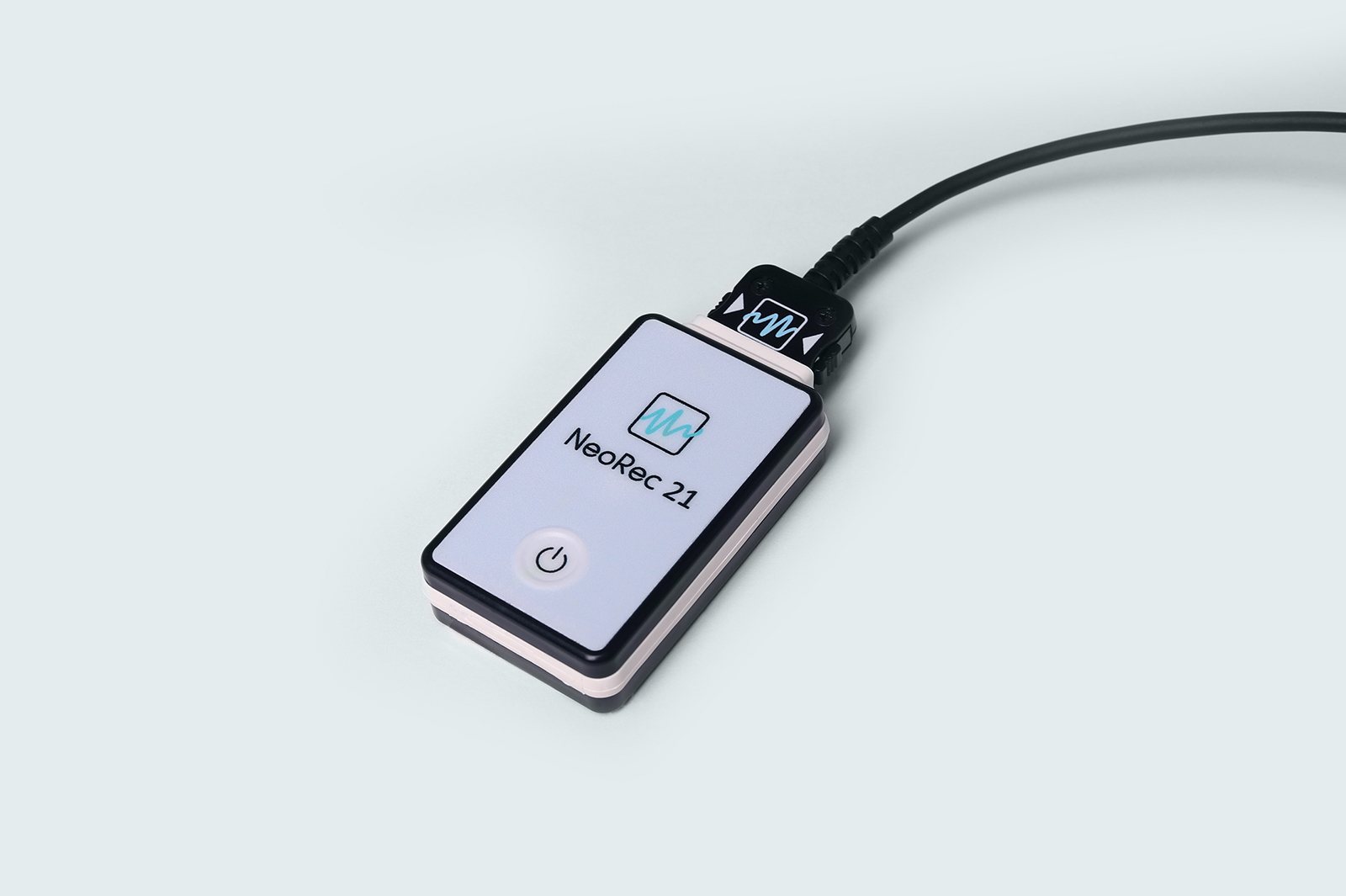
NeoRec cap is a mobile DC amplifier supplied with an electrode cap. The device is designed for recording EEG as well as other biopotentials, including EMG and ECG. The cap is equipped with pre-installed Ag/AgCl electrodes and provides convenient and accurate electrode placement according to the 10–20 system. The built-in accelerometer captures movements and orientation changes, enabling artifact tracking and synchronization of events with signal recording.
The device transmits data to a PC or mobile device via Bluetooth 5.0 or stores it on a microSD card for autonomous recording. Recording supports EDF+, BDF+, GDF formats, as well as real-time streaming via Lab Streaming Layer (LSL) for integration with MATLAB, EEGLAB, OpenViBE, and other applications. NeoRec cap is used in education, scientific research, and applied projects such as EEG, BCI, biofeedback, neurogaming, neuromarketing, brain fitness, etc.


SOFTWARE
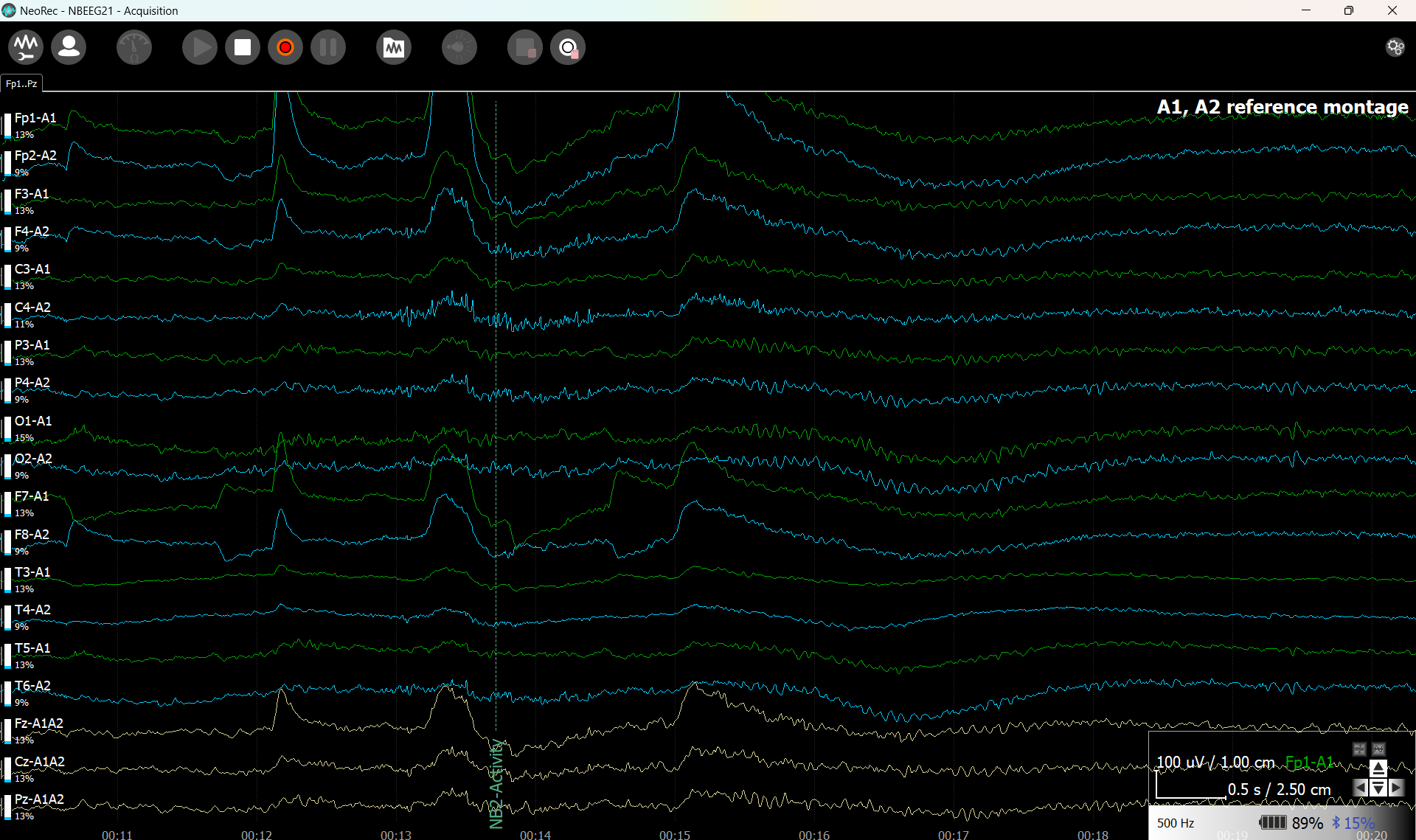
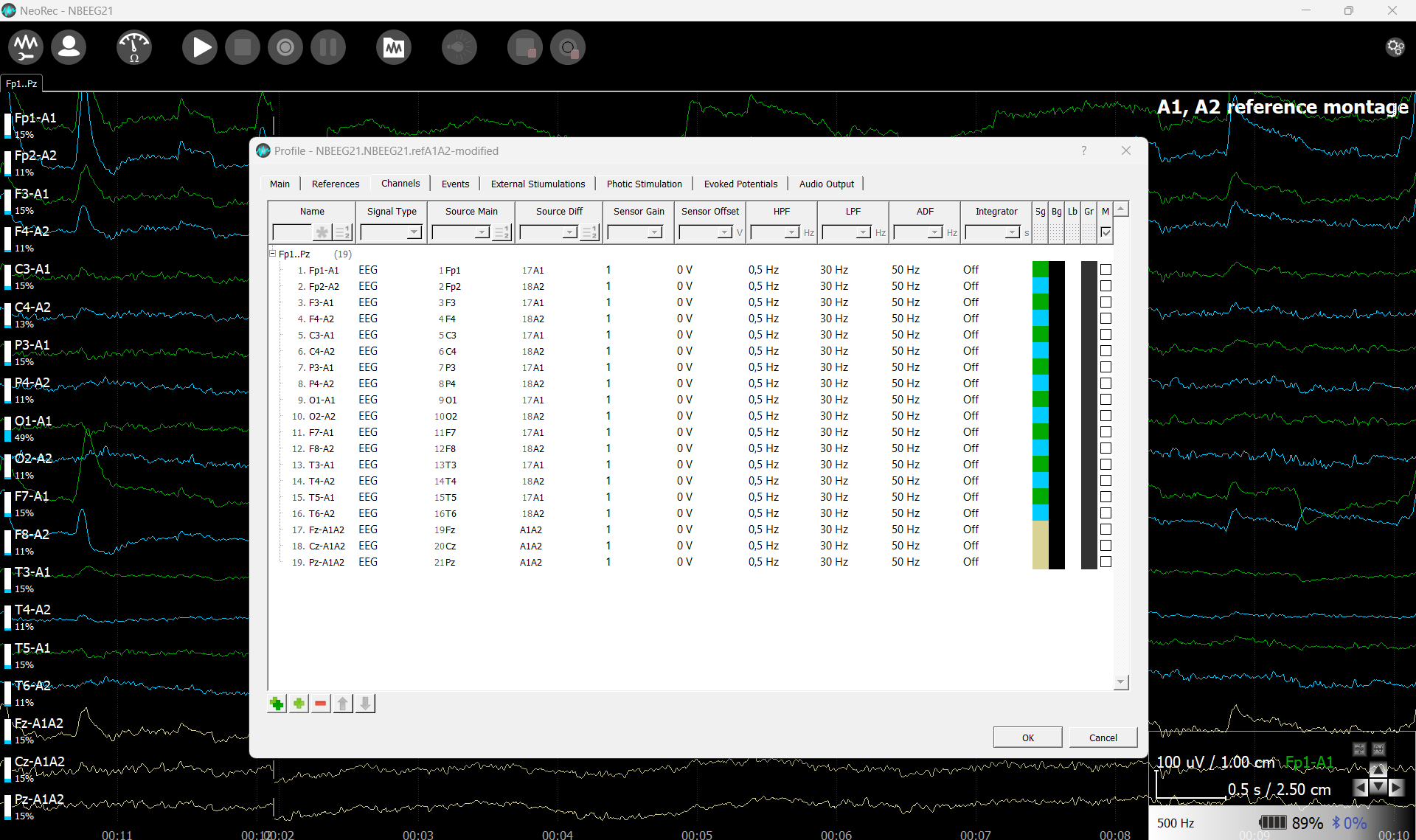
NeoRec is a research software designed for conducting experimental studies, recording EEG and other biomedical signals, and performing their analysis.
It supports real-time data streaming via the Lab Streaming Layer (LSL) protocol to external software environments such as MATLAB, EEGLAB, OpenViBE, and others.
The software provides tools for signal preprocessing and visualization, as well as data saving in EDF+, BDF+, GDF, and other formats.
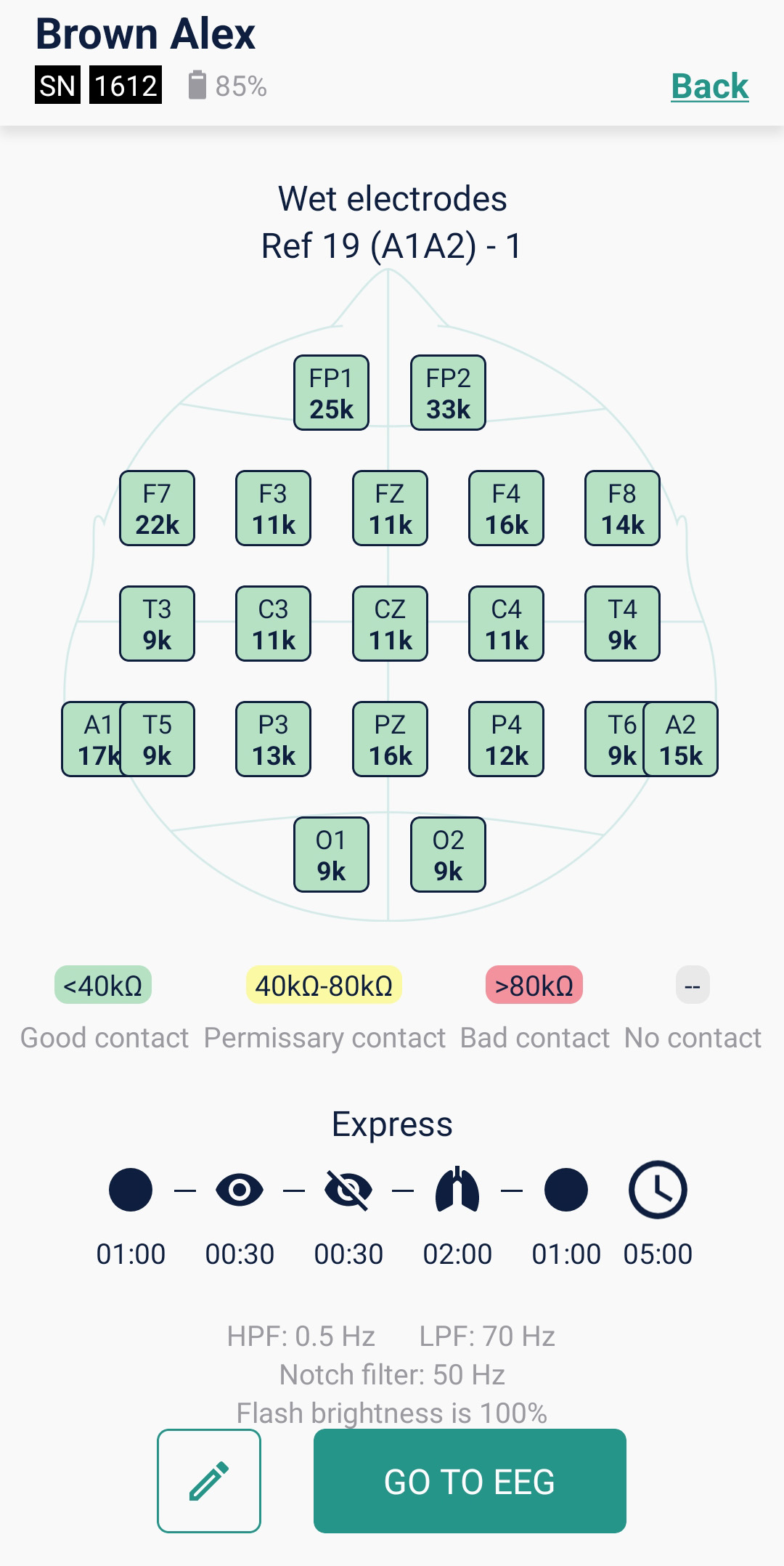
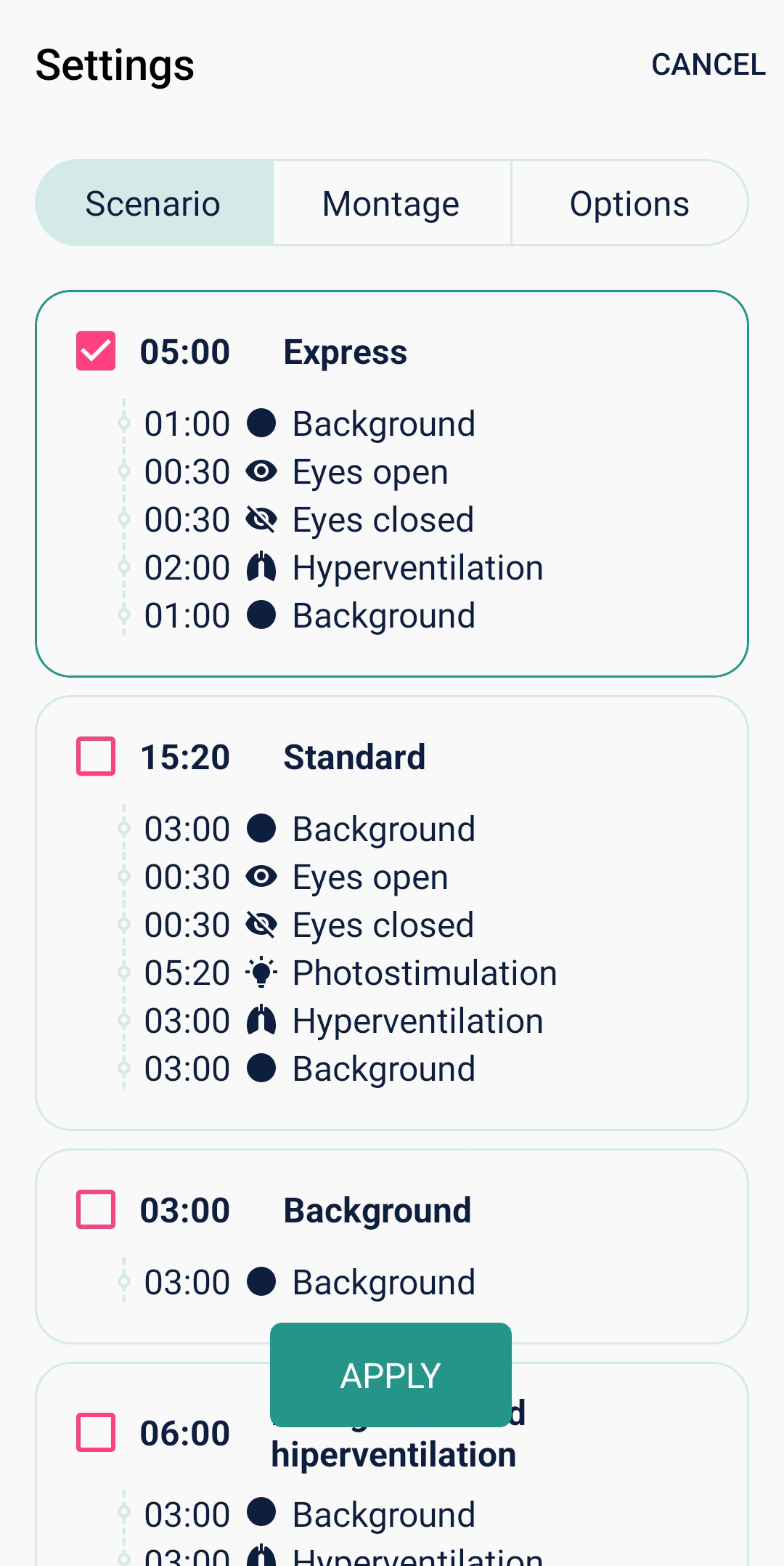
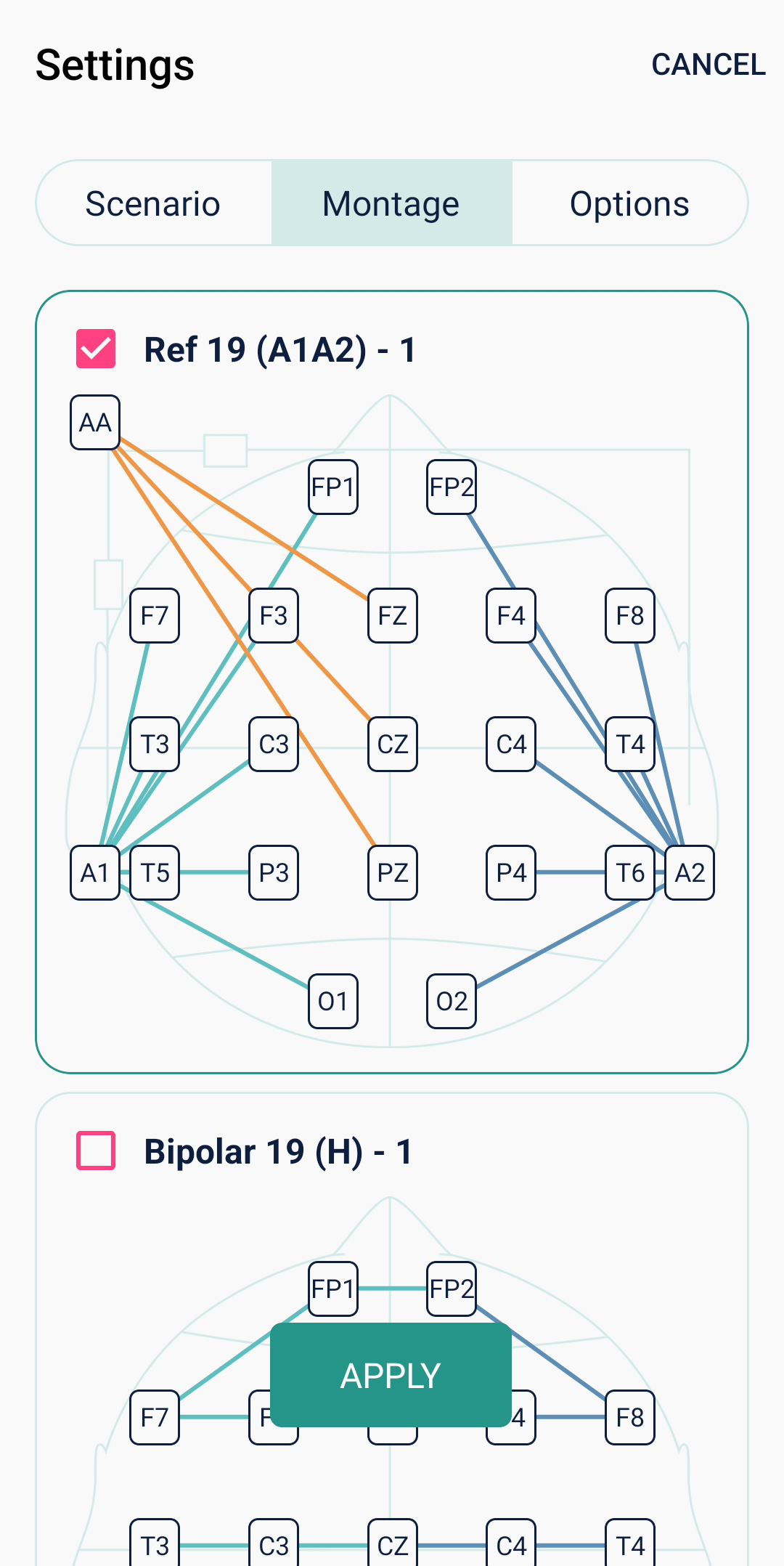
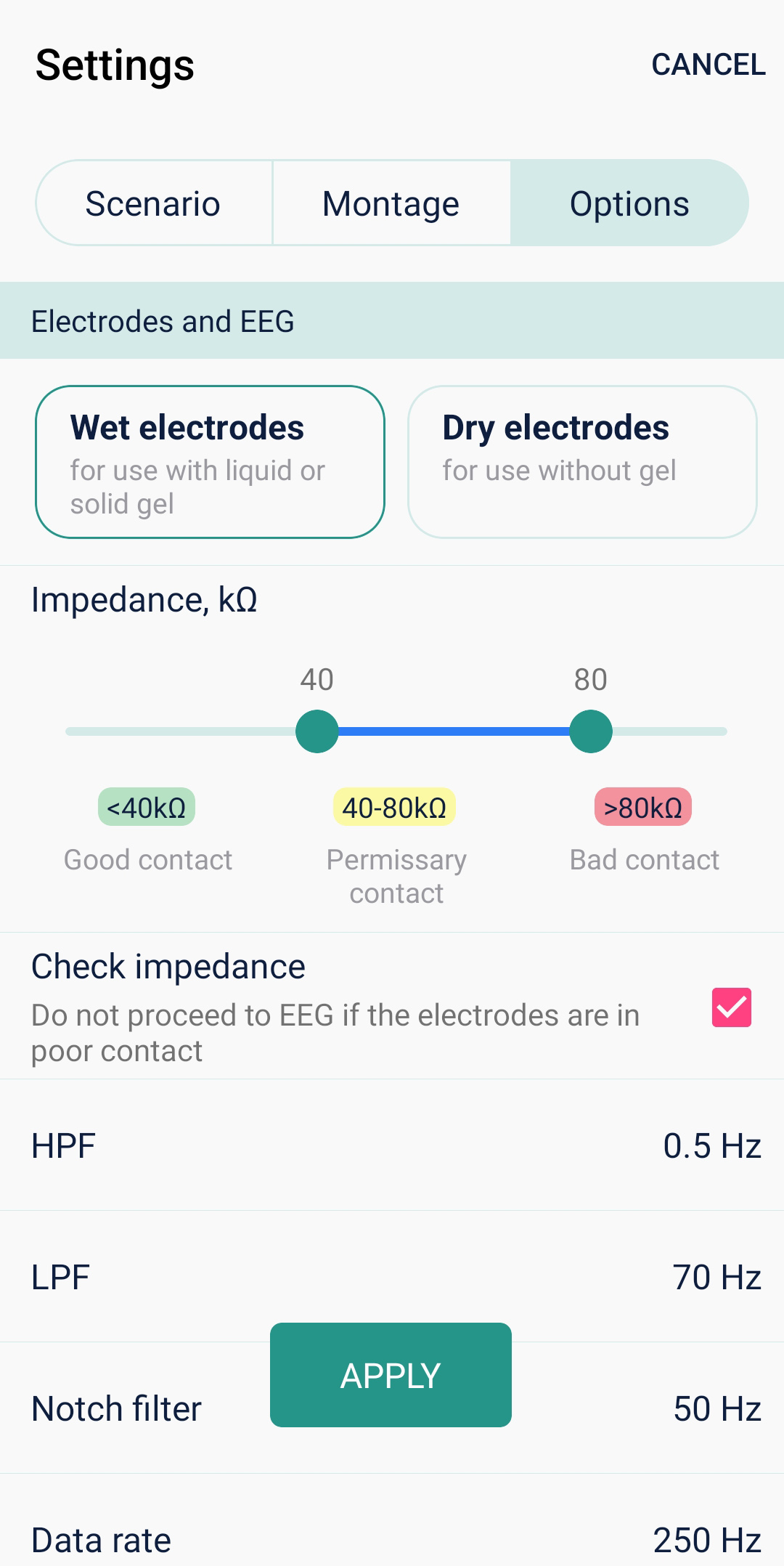
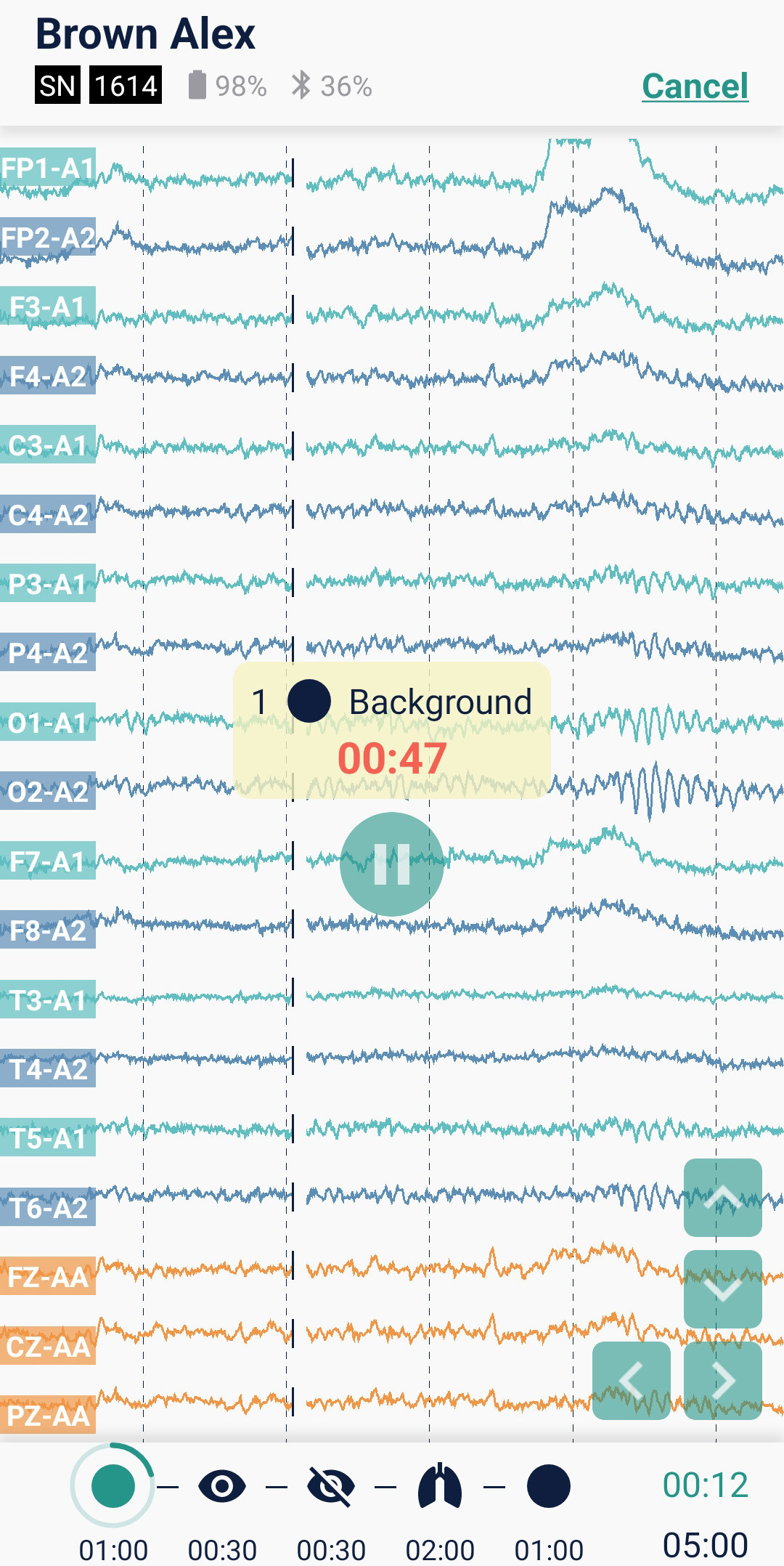
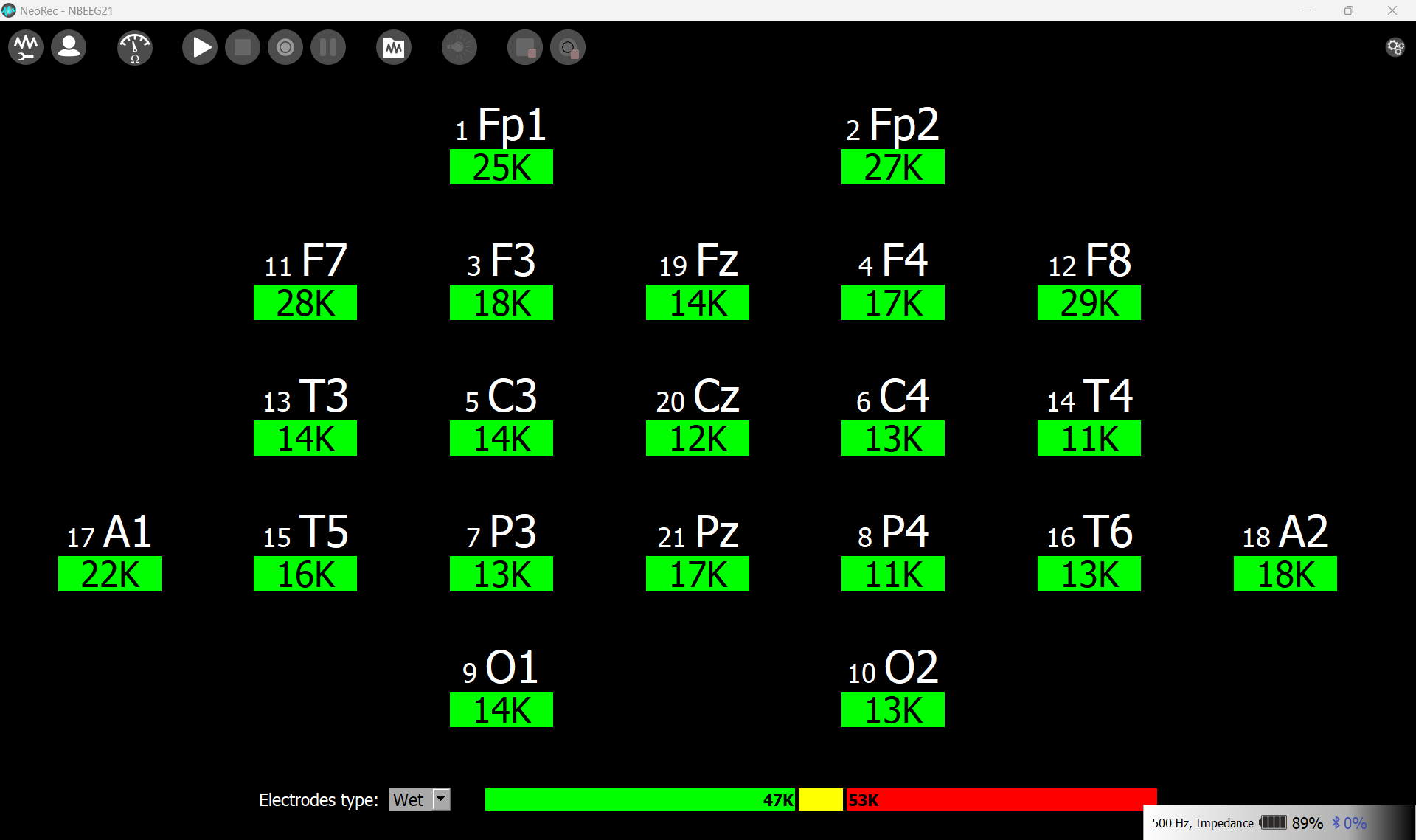
NEUROVisor (desktop and mobile versions) is clinical software designed for performing routine and specialized EEG examinations. It supports standard IFCN montages and examination scenarios, voice guidance, electrode impedance control, photic stimulation, and video recording.
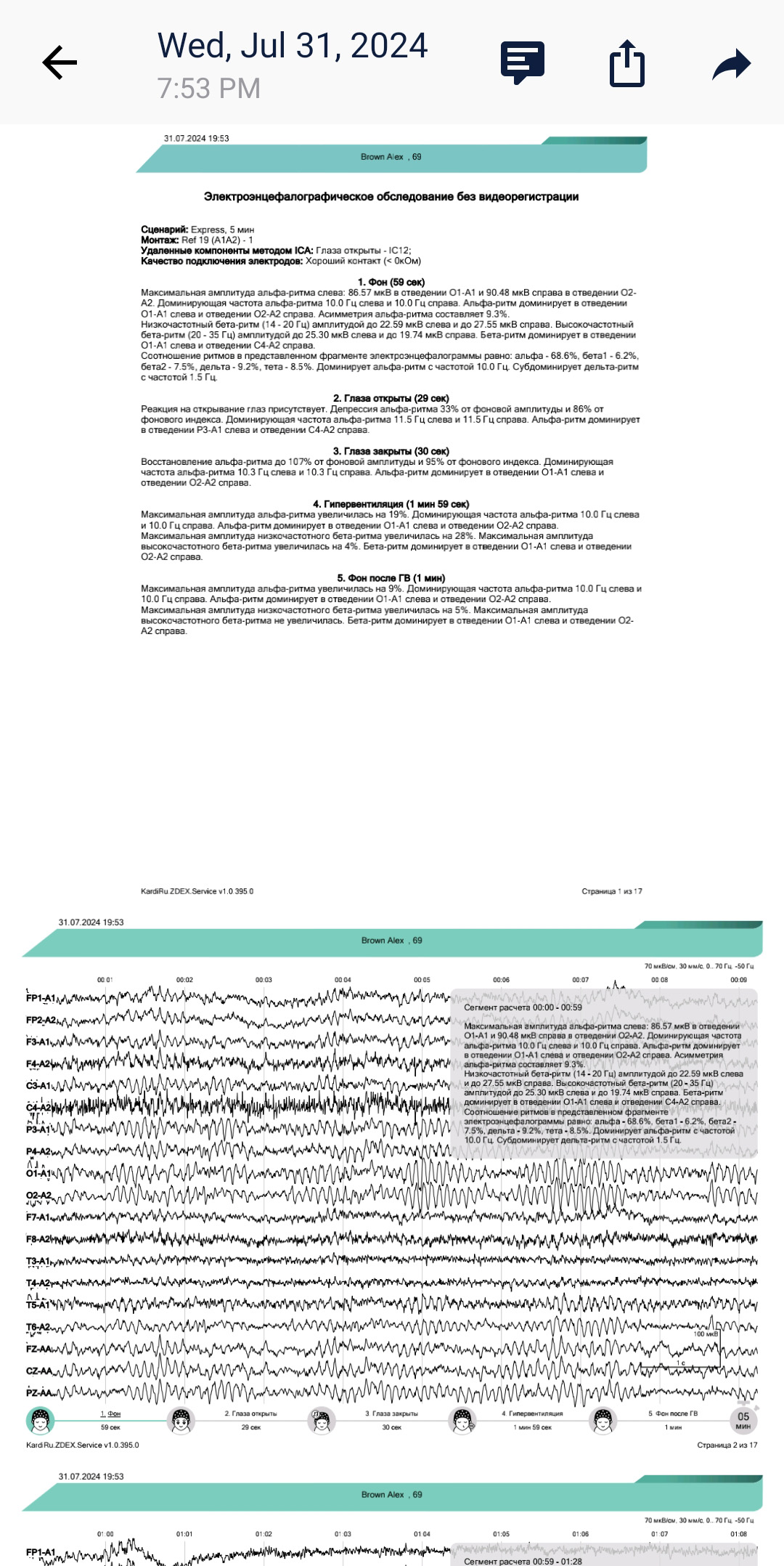
The program automatically generates reports, includes artifact suppression algorithms (ICA), and provides a long-term monitoring mode with data recording to the device’s memory card.
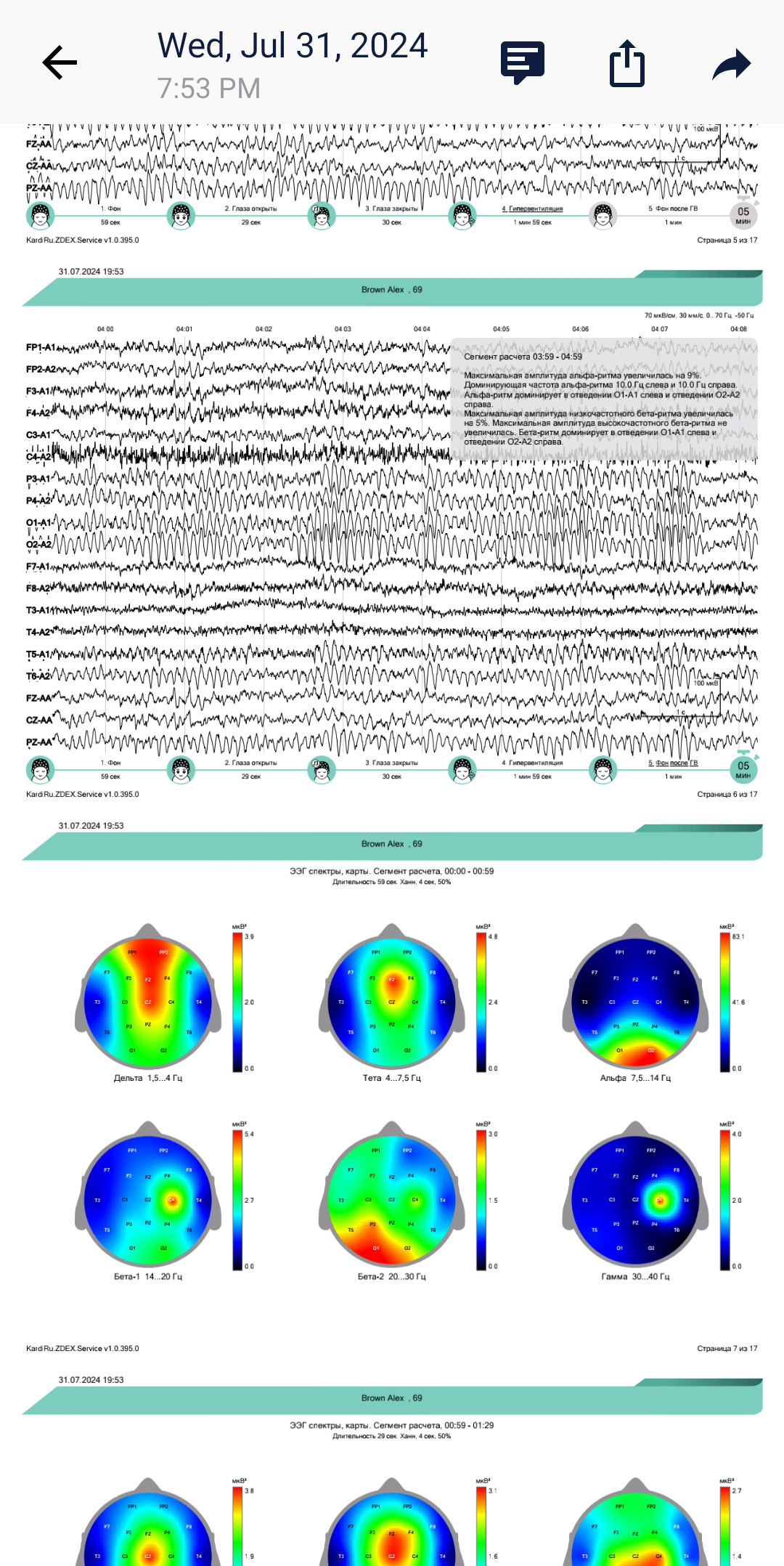
Additional quantitative EEG analysis methods are available, including the calculation of indices (pdBSI, DAR, TBR, etc.), spectral categories (ABCD), functional connectivity assessment (GFS), microstate analysis, and the DAChHAR method. The results are accompanied by automatically generated reports with graphical materials and numerical data.
These software solutions provide a full cycle of EEG data processing — from signal acquisition to analysis and report generation — and can be used in both research and clinical practice.
SPECIFICATION
| EEG channels (monopolar according to GND) | 21 |
|---|---|
| Input dynamic range of EEG channels | ±150 mV, ±300 mV |
| Accuracy of signal reproduction | 1 % |
| Frequency range at -3 dB | 0 to 430 Hz (at 1000 Hz sampling rate) |
| Sampling rate (set by applied software) | 125 Hz, 250 Hz, 500 Hz, 1000 Hz |
| Analog-to-digital conversion bit size | 24 bit |
| Nonlinearity of frequency response | from -10 % to +5 % |
| Noise (in operating range from 0.5 to 70 Hz) | < 1.5 µV p‑p |
| Input impedance | not less than 100 MΩ not less than 1 GOhm |
| Electrode impedance measurement range | from 1 to 140 kOhm (independently for each electrode relative to GND) from 1 to 3.1 MOhm (dry electrode check) |
| Electrode impedance control | during aquisition |
| Events from internal smart accelerometer |
|
| Events from button | press |
| Mode indication | Mode indicator |
| Active electrodes support | power and control |
| Offline data recording | presence, on the memory card |
| Data format | proprietary, with the ability to save in EDF+, BDF+, GDF, EEG formats by software |
| Wireless data interface | BLE 5.2 |
| Wireless connection range | 20 m |
| Work from full battery | ≥ 12 hours |
| Power | Built-in Li-ion rechargeable battery |
| Nominal battery voltage | 3.7 V |
| Nominal battery capacity | 0.9 Ah |
| Number of batteries in one unit of product packaging | 1 pc. |
| Charging the built-in battery | from +5V USB adapter, 500 mA |
| Full battery charge time | no more than 5 hours ≤ 2.5 hours |
| Connector for connecting a cap/charger; | ST60‑24P |
| Enclosure dimensions | 68 × 38 × 16 mm |
| Weight of the amplifier | 40 g |


ACCESSORIES
A wide range of accessories is available for NeoRec amplifiers. Electrode caps with pre-installed Ag/AgCl electrodes cover all application types — from gel-based systems to dry active solutions.
MCScap textile caps are available in 9 sizes (head circumference from 36 to 66 cm) and provide accurate electrode placement without additional adjustment. The elastic material ensures a comfortable fit and simplifies scalp preparation.
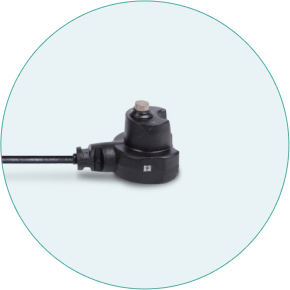
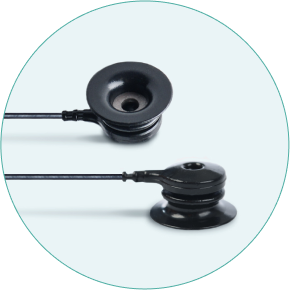
Reusable MCScap electrodes based on high-quality Ag/AgCl sensors provide stable signals, long-lasting contact, low noise, minimal polarization, and excellent low-frequency performance.
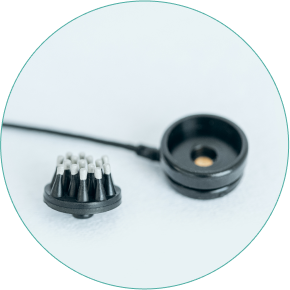
On request, active and dry systems, disposable EEG caps, and customized accessories can also be supplied to meet specific research or applied requirements.
ELECTRODES
BASE
PROFESSIONAL
DRY


VIDEO
PHOTO