Test conditions
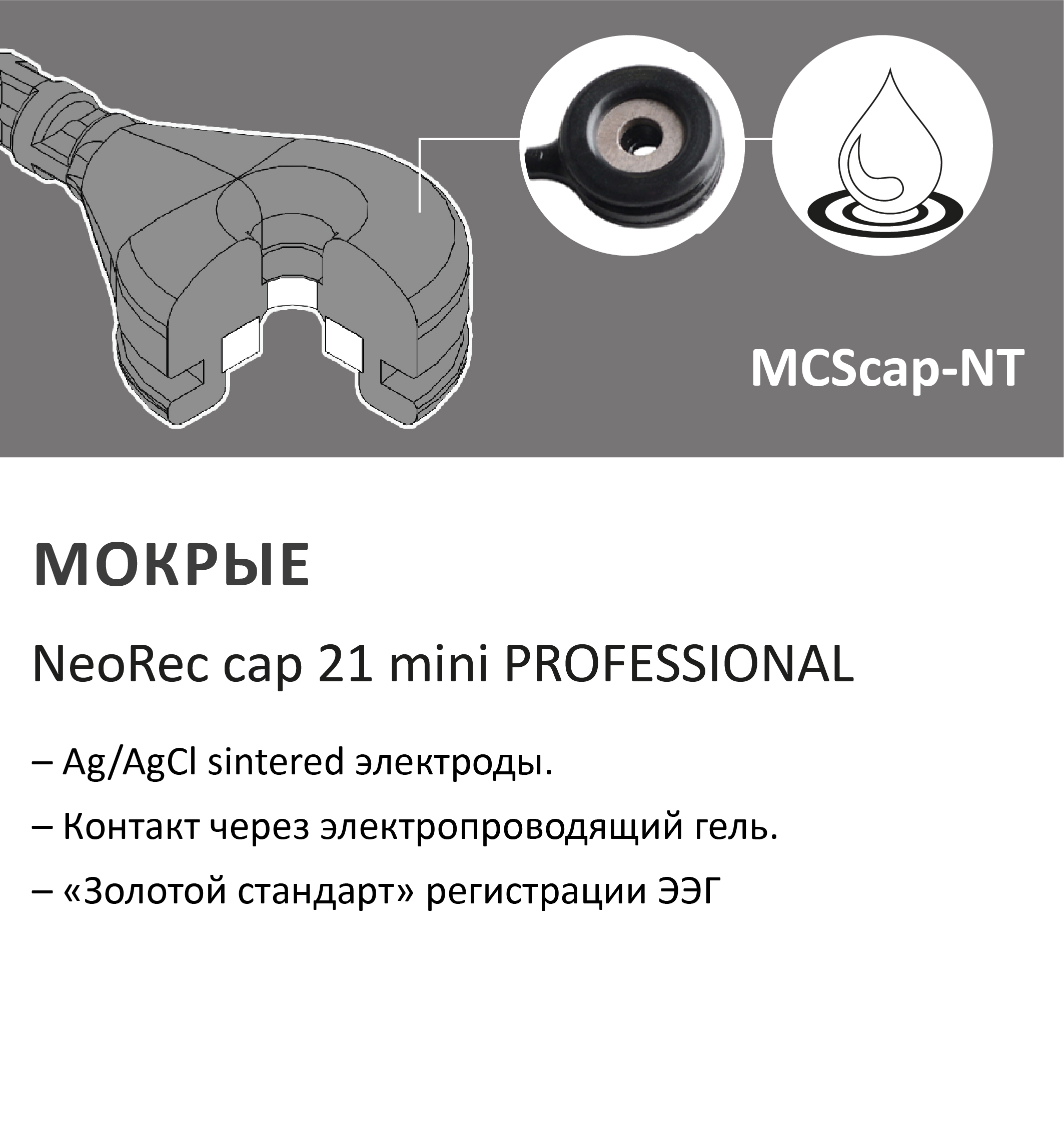
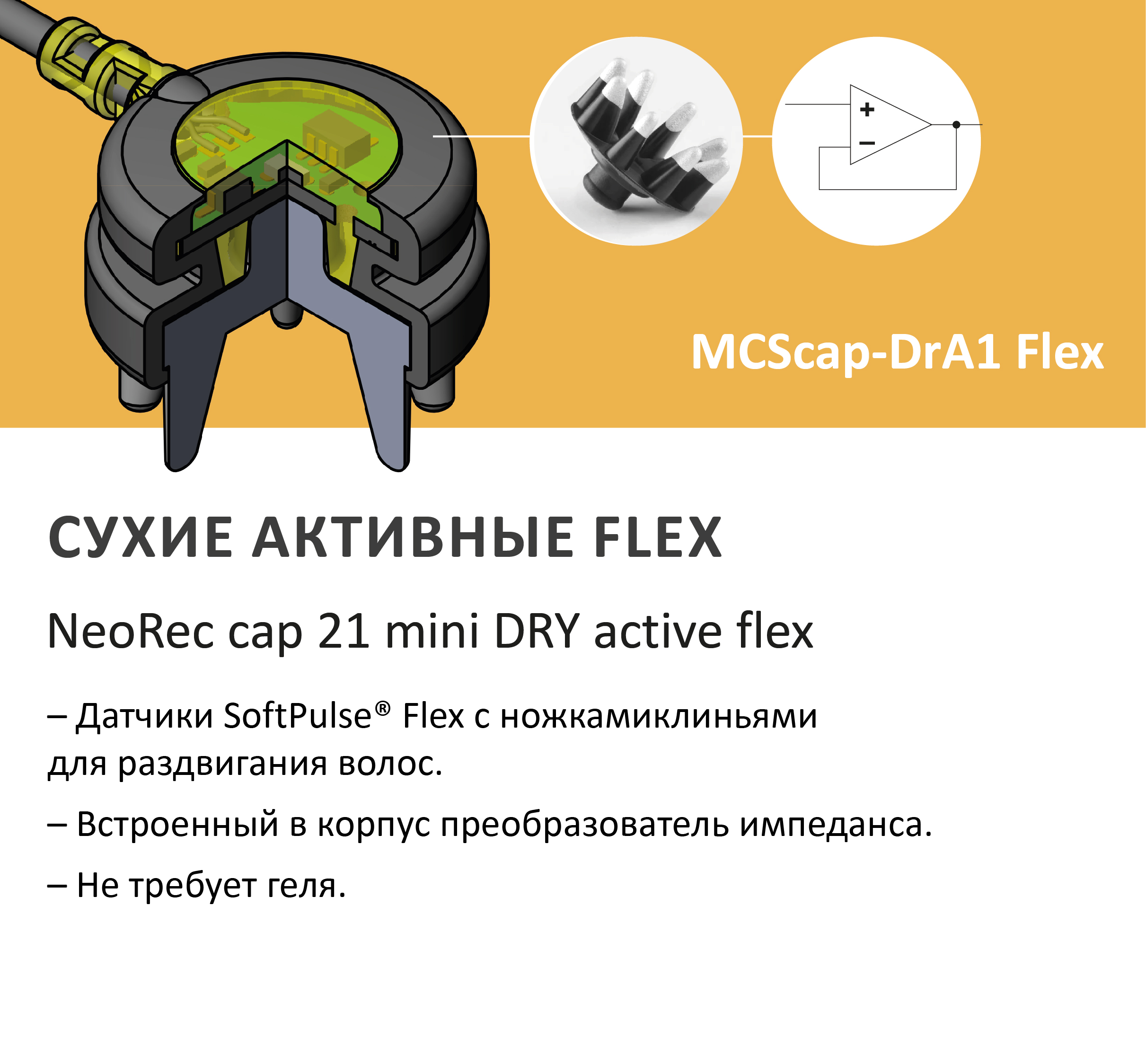
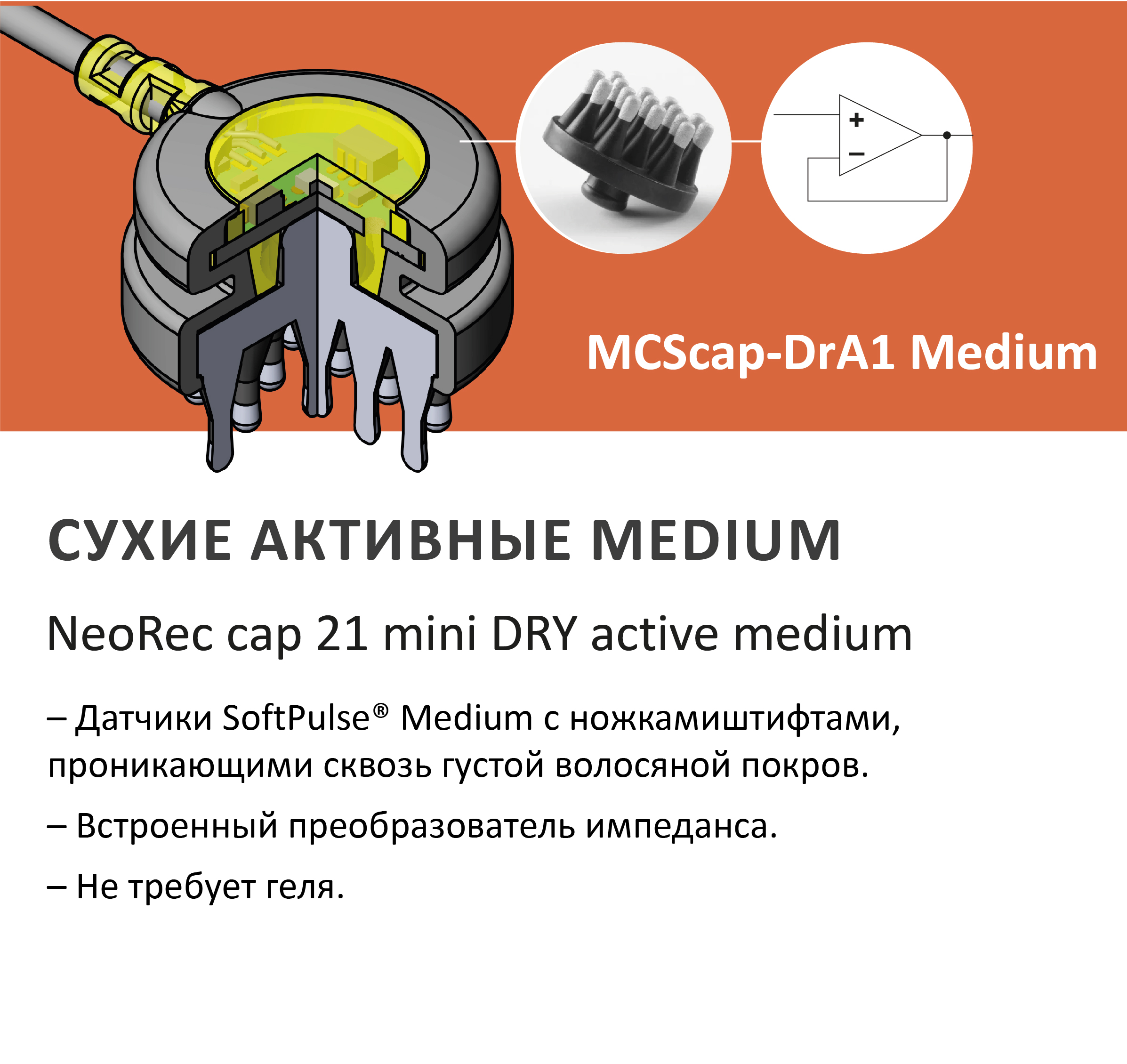
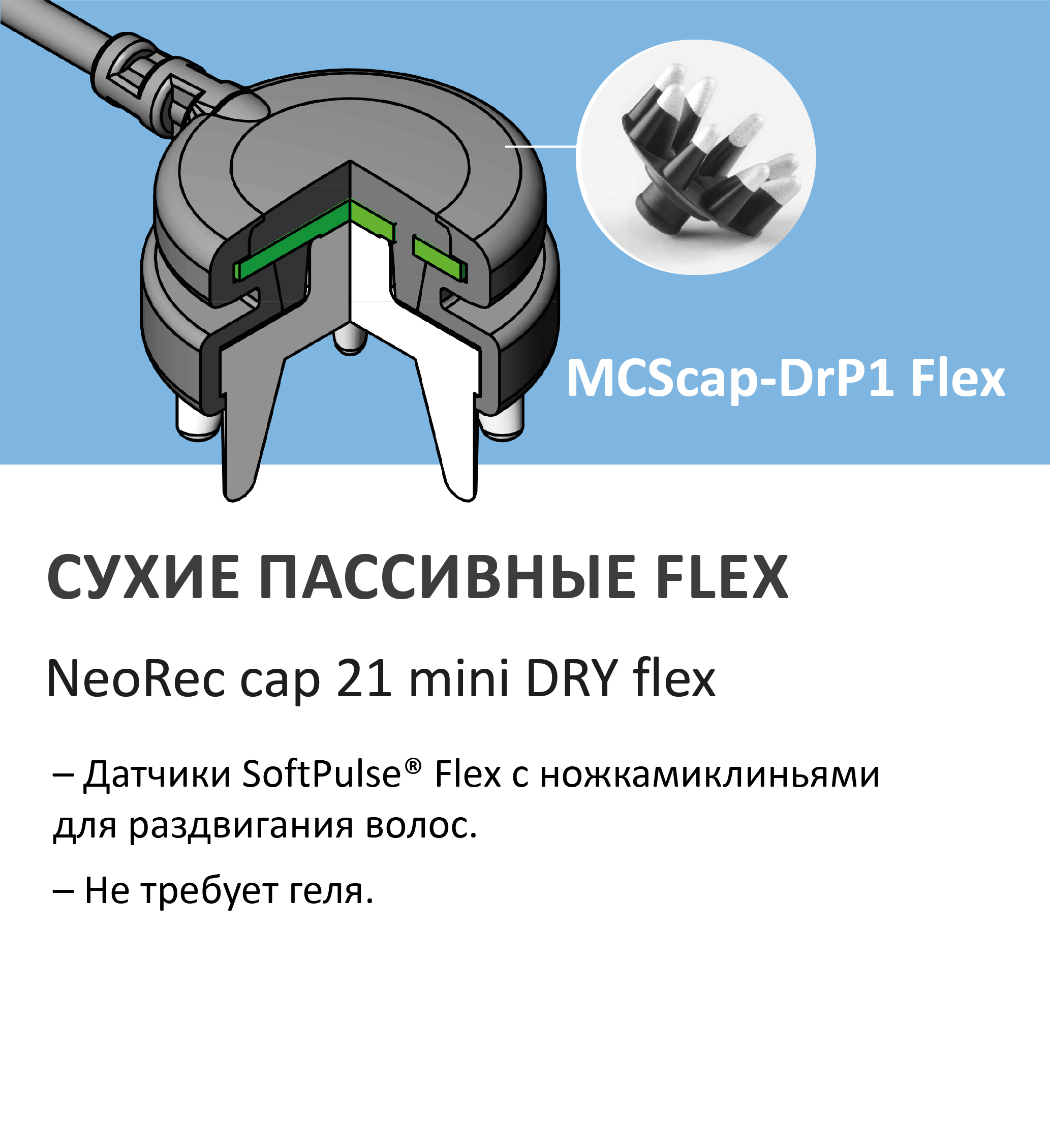
EEG systems: Each electrode type was mounted on an identical MCScap 10–10 textile cap and connected to the NeoRec 21 mini EEG amplifier.
Software: EEG recordings were acquired and preprocessed using NeoRec software with a 1–70 Hz band-pass filter and a 50 Hz notch filter.
Participants: EEG was recorded from five healthy adult male participants. Each participant was tested with all five electrode systems. The order of experimental conditions (eyes open,
eyes closed, and cycling) was randomized for each recording session.
Conclusions
Validity: All dry electrode systems successfully recorded characteristic alpha (8–13 Hz) and beta (13–30 Hz) rhythms [1], demonstrating their suitability for neurophysiological research. These findings are consistent with previous studies [3, 5].
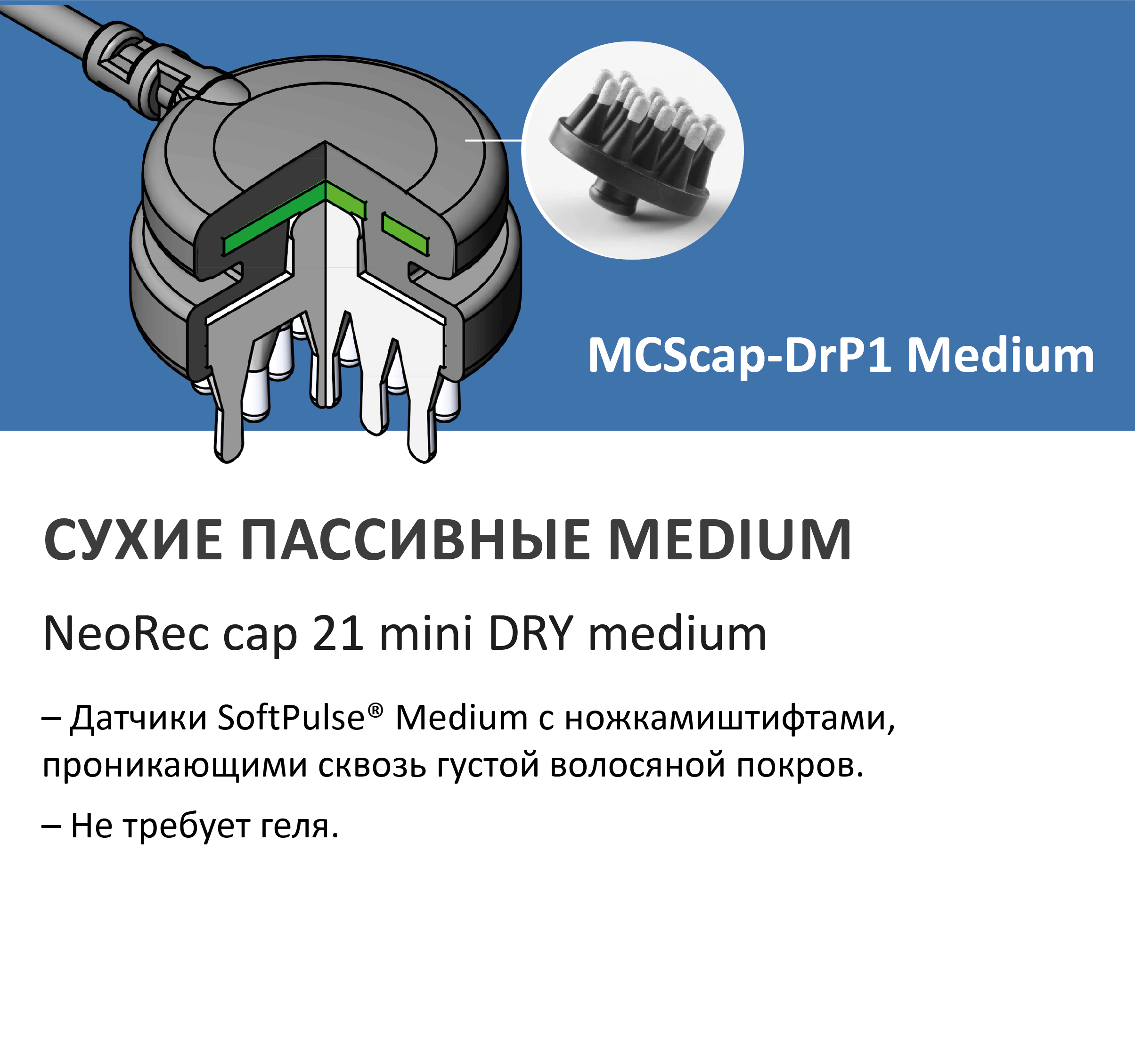
Signal quality: The lowest noise level was achieved with the wet EEG system. Among the dry systems, the active Flex electrodes provided the highest signal quality, resulting in the smallest proportion of rejected epochs. During movement, Flex sensors preserved usable data approximately twice as effectively as Medium sensors. Furthermore, in the passive
dry system, Flex sensors reduced electrode impedance by a factor of more than 1.5.
Ergonomics: The use of Flex sensors reduced the application time from 11 to 8 minute. Participants rated overall comfort highly (5.9–6.6 on a 7-point scale); however, 60% reported a noticeable sensation of pressure caused by the Flex sensors.