Clinical task
Ambulatory ECG recording (the Holter method) was proposed for continuous study of the heart rhythm in freely moving patients and remains the standard for arrhythmia detection [1].
Analysis of heart rate variability provides quantitative markers of autonomic regulation [2].

| Parameter | Value |
|---|---|
| Leads | 3-channel |
| Sampling rate | 200–1000 Hz |
| Recording time | 24–72 h |
| Analysis | HRV, arrhythmia episodes |
Equipment
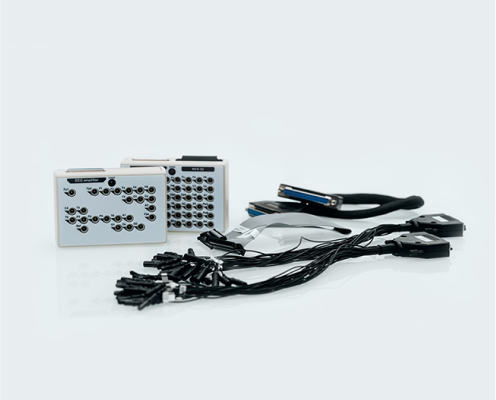
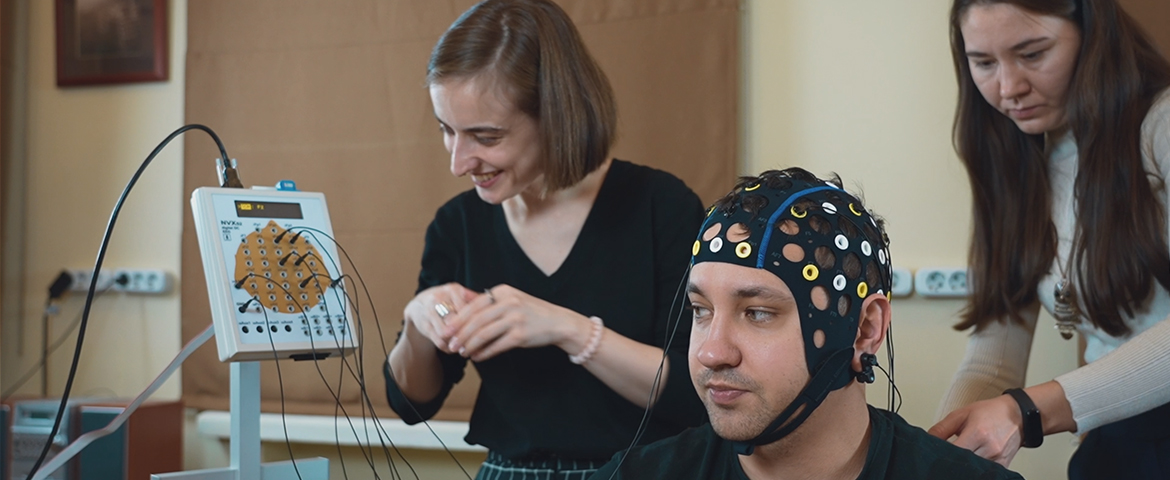
Long-term monitoring improves detection of atrial fibrillation after cryptogenic stroke and influences secondary prevention [3]; the study used our ECG recorders (cardiographs).
Full sources: list of references.
Illustrations
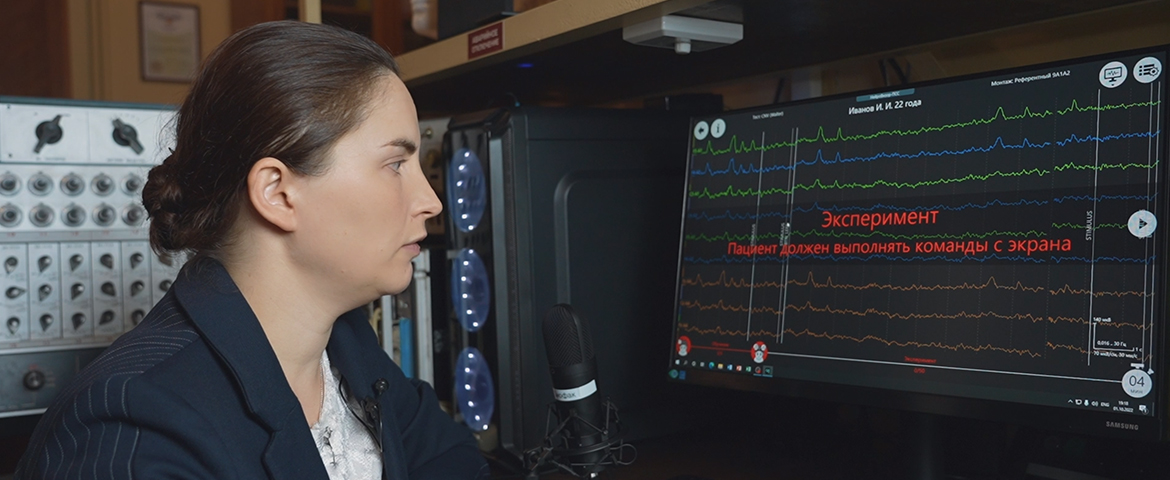

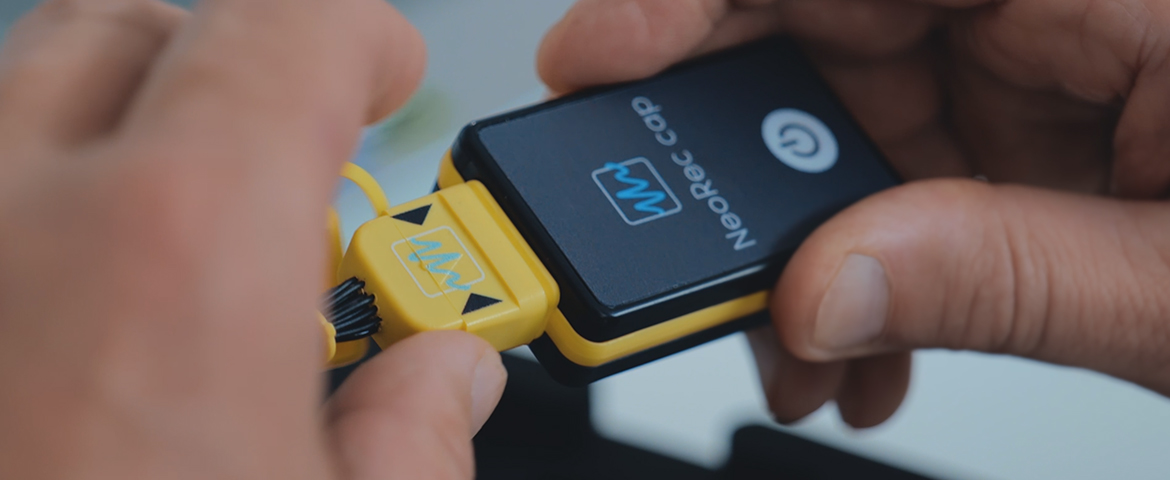
Specification
| Parameter | Value |
| ECG recorder | |
| Leads | 3-channel |
| Sampling rate | 200–1000 Hz |
| Recording time | 24–72 h |
| Memory | SD / flash |
| HRV analysis | yes |
| Event marker | yes |
| Power | AAA battery / rechargeable |
References
1. Holter N.J. (1961). New method for heart studies. Science, 134(3486), 1214–1220.
2. Task Force of the European Society of Cardiology and the North American Society of Pacing and Electrophysiology (1996). Heart rate variability: standards of measurement, physiological interpretation, and clinical use. Circulation, 93(5), 1043–1065.
3. Sanna T., Diener H.-C., Passman R.S., et al. (2014). Cryptogenic stroke and underlying atrial fibrillation. New England Journal of Medicine, 370(26), 2478–2486.
Our equipment