Clinical task
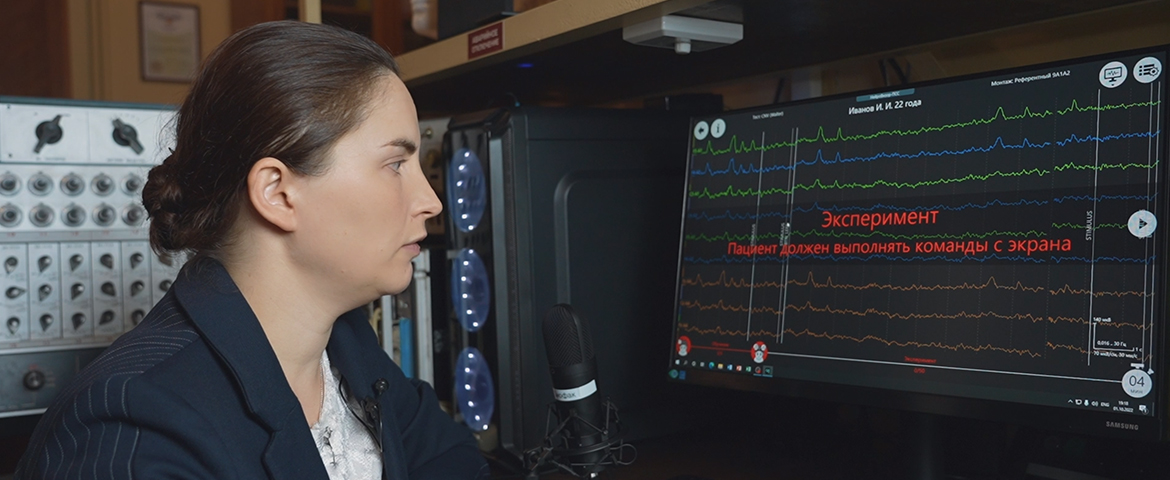
Continuous EEG (cEEG) monitoring in the intensive care unit (ICU) is used to detect electrographic seizures in critically ill and comatose patients, including non-convulsive status epilepticus [1].
Standardized terminology and periodic/rhythmic pattern classification are required for reproducible interpretation and clinical decision-making [2].

| Parameter | Value |
|---|---|
| Channels | 21–32 |
| Sampling rate | 256–512 Hz |
| Montage | 10–20 |
| Recording time | continuous, 24/7 |
Equipment
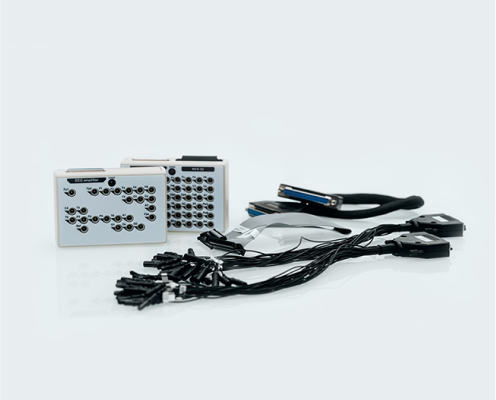
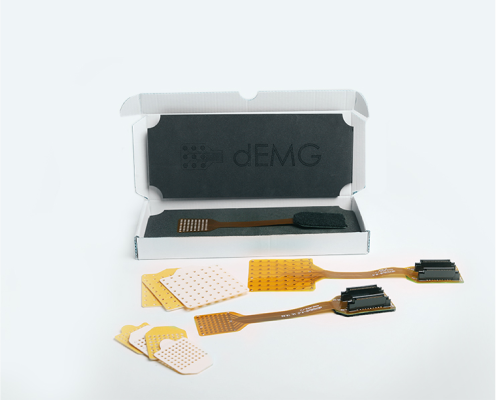
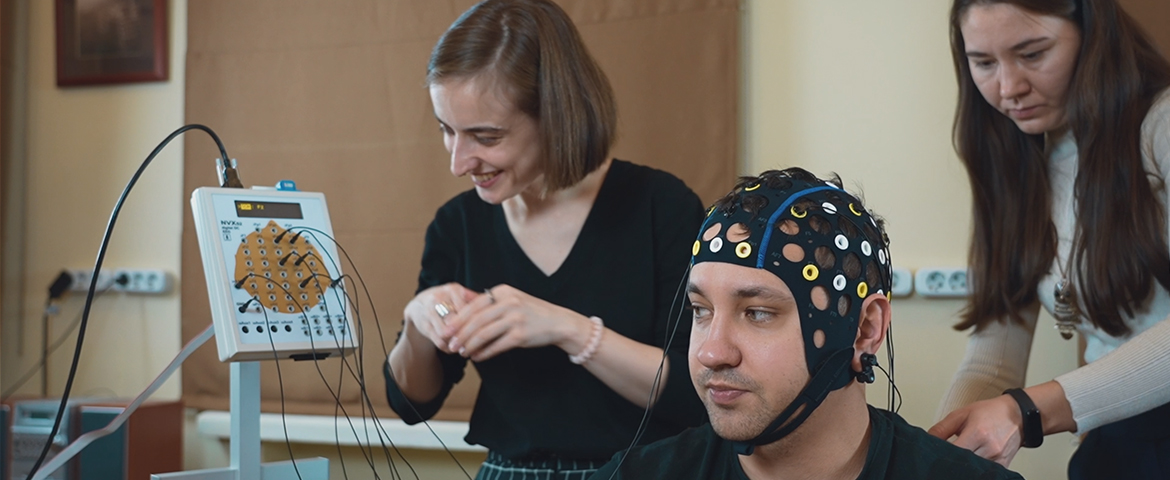
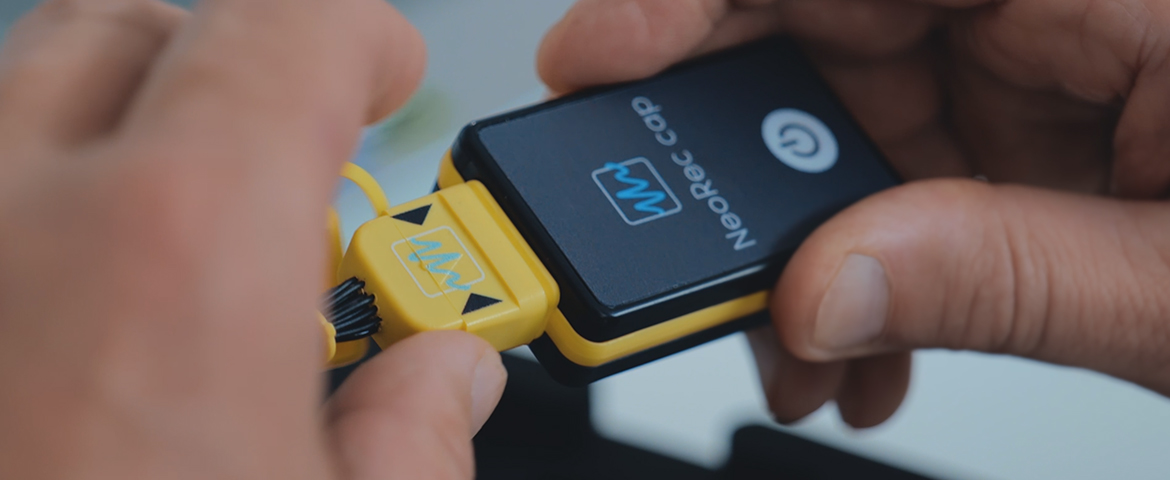
The studies relied on long-term EEG recording with our amplifiers and electrode caps; early seizure detection after traumatic brain injury is associated with a worse outcome [3].
Full sources: list of references.
Illustrations

Specification
| Parameter | Value |
| EEG amplifier | |
| EEG channels | 32 |
| Sampling rate | 500 Hz |
| Input impedance | more than 100 MOhm |
| Input signal range | ± 400 mV |
| Display | PC, real time |
| Electrode cap | |
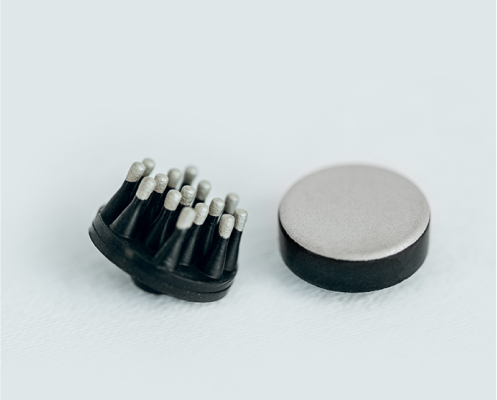
| Electrode type | gel / dry |
| Montage | 10–20 |
References
1. Claassen J., Mayer S.A., Kowalski R.G., Emerson R.G., Hirsch L.J. (2004). Detection of electrographic seizures with continuous EEG monitoring in critically ill patients. Neurology, 62(10), 1743–1748.
2. Hirsch L.J., LaRoche S.M., Gaspard N., et al. (2013). American Clinical Neurophysiology Society's Standardized Critical Care EEG Terminology: 2012 version. Journal of Clinical Neurophysiology, 30(1), 1–27.
3. Vespa P.M., Nuwer M.R., Nenov V., et al. (1999). Increased incidence and impact of nonconvulsive and convulsive seizures after traumatic brain injury as detected by continuous electroencephalographic monitoring. Journal of Neurosurgery, 91(5), 750–760.
Our equipment