Clinical task
Motor-imagery based neurofeedback uses the desynchronization of the sensorimotor rhythm and enables direct brain–computer communication without muscular activity [1].
In chronic stroke, brain–machine interface training with movement intent is associated with clinical improvement [2].
| Stage | Duration |
|---|---|
| Screening | 1 week |
| Training | 4 weeks, 3–4 sessions/week |
| Follow-up | 3 months |
Equipment
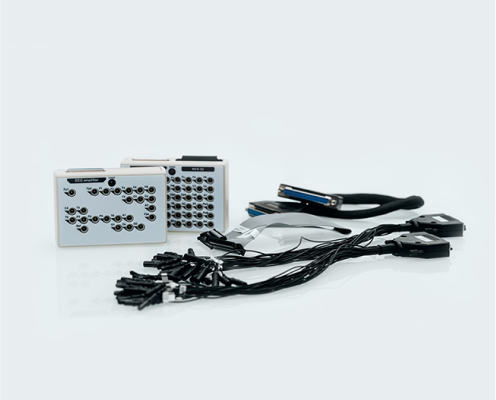
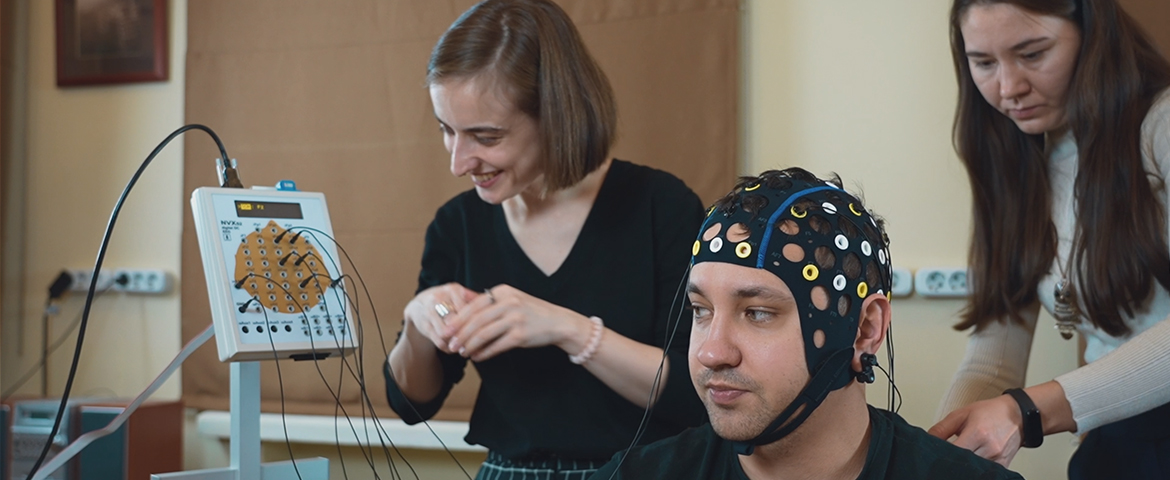
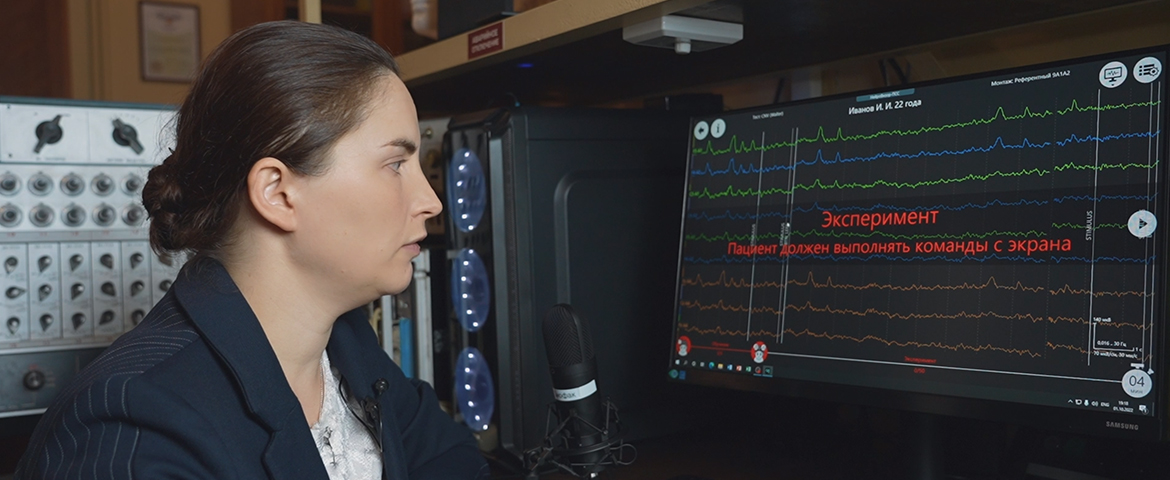
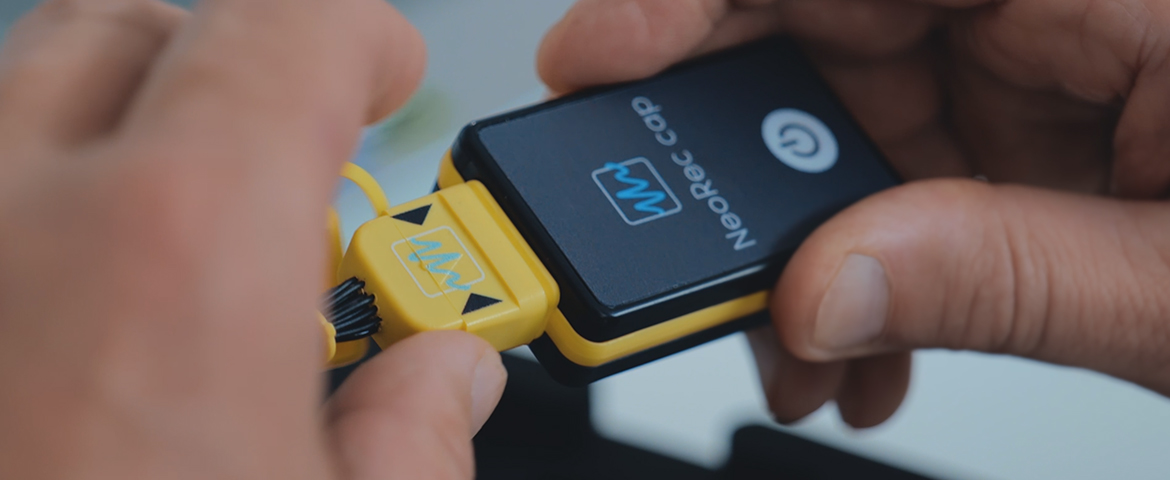
Brain–computer interfaces are also used for communication and restoration of movement in paralysis [3]; sessions were performed with our EEG amplifiers and caps.
Full sources: list of references.
Illustrations
Specification
| Parameter | Value |
| EEG amplifier | |
| EEG channels | 16 |
| Sampling rate | 250–500 Hz |
| Neurofeedback module | yes |
| Motor imagery protocols | 2–3 |
| Session length | 30 min |
| Electrode cap | gel / dry |
| Montage | 10–20 |
References
1. Pfurtscheller G., Neuper C. (2001). Motor imagery and direct brain-computer communication. Proceedings of the IEEE, 89(7), 1123–1134.
2. Ramos-Murguialday A., Broetz D., Rea M., et al. (2013). Brain-machine interface in chronic stroke rehabilitation: a controlled study. Annals of Neurology, 74(1), 100–108.
3. Birbaumer N., Cohen L.G. (2007). Brain–computer interfaces: communication and restoration of movement in paralysis. The Journal of Physiology, 579(3), 621–636.
Our equipment